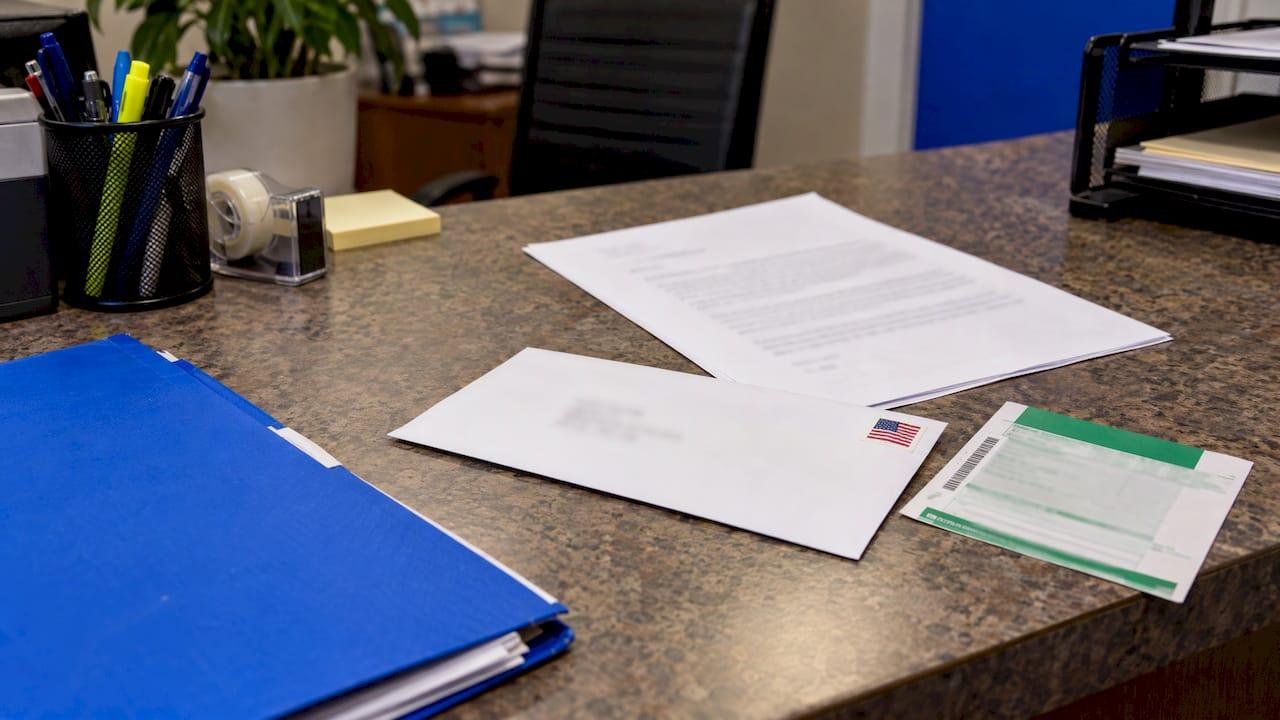
A spoliation letter, also called a preservation letter, is a written notice sent to a trucking company (and others) after a crash. It says you may bring a claim and that the company must keep every record and piece of data tied to the wreck. It matters because some truck data is routinely overwritten or discarded on a schedule. Once the company has notice, destroying that evidence can carry real consequences in court. Send it fast, send it to every party that holds evidence, and be specific about what you want kept.
TL;DR
- A spoliation letter puts the carrier, its insurer and other parties on written notice that a claim is likely and that evidence must be preserved.
- Send it as soon as possible after the crash. Federal rules set only a six-month minimum for driver logs, and some data is overwritten far sooner.
- Name specific evidence: ELD logs, black box data, dashcam video, maintenance and inspection records, driver qualification files, dispatch and GPS records.
- Send it by a trackable method to the carrier, its insurer, the driver, and any broker, shipper or maintenance vendor.
- Courts can sanction a party that destroys relevant evidence after a duty to preserve arises. A lawyer can tailor the letter to your state's rules.
Table of Contents
- What a spoliation letter does in a truck crash case
- Why trucking cases are different from ordinary crashes
- When to send it and who should get it
- What evidence to ask the company to preserve
- What the letter should include
- What can happen if evidence is destroyed after notice
- Can you send one without a lawyer?
- Our perspective
- Get matched with an attorney who can send it
- A simple timeline to follow
- FAQ
- Sources
What a spoliation letter does in a truck crash case
"Spoliation" means the loss, alteration or destruction of evidence that is relevant to a claim. In a truck case, much of the proof sits with the other side: the driver's hours, the truck's electronic data, the company's hiring and maintenance files. You cannot pull those records yourself.
The letter does three jobs:
- It gives notice. It tells the company a claim is coming, so no one can later say they did not know the records mattered.
- It defines the evidence. A vague demand to "keep everything" is easy to ignore. A list of specific items is harder to dismiss.
- It builds a record. If evidence disappears afterward, your lawyer can point to the date the company was told.
That third point is the legal core. A federal appeals court summary in Van Winkle v. Rogers explains that a duty to preserve can arise when a party has notice that evidence is relevant, or should have known it was. Notice is central to whether a court finds the duty was breached.
A trucking company that follows its own routine may still be discarding records the day after your letter arrives. The letter is how you interrupt that routine.
Why trucking cases are different from ordinary crashes
A car crash usually comes down to two drivers and an insurer. A truck crash can involve a driver, a motor carrier, a trailer owner, a freight broker, a shipper that loaded the cargo, and a maintenance shop. Each may hold a different piece of the picture.
Federal regulations also create a paper trail that does not exist in most car cases. Our guide to federal trucking regulations covers hours-of-service limits, inspection duties and driver qualification rules. Each of those rules produces records, and those records are what a preservation letter targets.
The risk is timing. Under 49 CFR 395.8(k), a motor carrier must keep records of duty status and supporting documents for at least six months, and FMCSA guidance says the ELD data also needs a backup copy on a separate device for the same period. Six months is a floor. After that, a carrier following its normal practice may lawfully delete the logs. Other records, such as dashcam video or telematics data, may be kept for much less time under company policy.
When to send it and who should get it
Send it as soon as you can. Days matter more than weeks. If you were hurt, your first priority is medical care. The letter can be sent while you recover, and a lawyer can send it for you.
Send it to every party that may hold evidence:
- The motor carrier. Use the company name and address on the truck's door, the bill of lading, or the crash report. The federal motor carrier registry can help identify the legal entity.
- The driver. Personal phone records and texts may matter. If the driver is an independent contractor, the carrier and driver may keep separate files.
- The insurance company. If you know the carrier's insurer, send a copy. Insurers often run their own investigations and hold photos and statements.
- The truck or trailer owner, if different from the carrier.
- Brokers, shippers and loading companies, where load securement or cargo weight may be an issue.
- Maintenance and repair vendors.
- Government and private holders of video. Traffic cameras and nearby businesses overwrite footage quickly. See our guide to requesting traffic camera footage for the timelines involved.
If the vehicle was a company truck used for delivery, the question of who employs the driver affects who you write to. Our article on delivery driver accident claims explains how that works.
What evidence to ask the company to preserve
Specificity is the point. Here is a working checklist, grouped by type.
Electronic data from the truck
- Engine control module (ECM) data, often called the black box, including speed, braking, throttle and fault codes in the period around the crash
- Electronic logging device (ELD) records and the supporting documents
- Collision mitigation, lane departure and other driver-assist system data
- GPS and telematics records showing route, speed and stops
- Dashcam footage, both forward and driver-facing, if installed
Our explainer on black box truck data covers what these units record and why they are so valuable. The truck itself should be named in the letter too: ask that it not be repaired, sold, or returned to service in a way that alters the data before inspection.
Driver records
- Hours-of-service logs for the weeks before the crash
- Driver qualification file, including the application, license history, medical certificate and road test
- Drug and alcohol testing records
- Cell phone records for the time of the crash
- Training records and any prior accident or violation history
Company and vehicle records
- Maintenance, repair and inspection logs for the tractor and trailer
- Dispatch communications, delivery schedules and pay records that show pressure to meet deadlines
- Bills of lading, cargo weights and load documents. Federal rules at 49 CFR Part 379 set minimum retention periods for many of these records, and those minimums can be short.
- Company policies, safety manuals and post-accident procedures
- Post-crash investigation reports and internal communications
Physical and scene evidence
- The truck, trailer, tires and any parts that failed
- Photos and video taken by the company or its insurer
- Crash scene measurements
If you want a broader view of what to gather yourself at the scene, our car accident evidence best practices lists ten steps that also apply to truck wrecks.
What the letter should include
Keep it factual and professional. The letter is not the place to argue fault or describe your injuries in detail. A typical letter contains:
- Your name and contact information, or your attorney's.
- The date, time and location of the crash, with the police report number if you have it.
- Identifying details for the truck: company name, USDOT number if visible, license plate, truck and trailer numbers, and the driver's name.
- A statement that you anticipate a claim for injuries or damages arising from the crash.
- A clear demand to preserve all documents, electronic data, physical evidence and communications related to the crash, the driver and the vehicle.
- The itemized list from the section above, tailored to your case.
- An instruction to suspend routine deletion, including automatic overwriting of video, telematics and email.
- A request that the recipient forward the notice to anyone holding relevant evidence, including vendors and insurers.
- A request for written confirmation that preservation is under way.
Delivery
Use a method that leaves proof of receipt: certified mail with return receipt, or a courier with signature, often combined with email. Keep a copy of the letter, the receipt and any reply in a dedicated file. That file is what your lawyer will rely on later.
What can happen if evidence is destroyed after notice
A letter does not by itself force anyone to comply, and it does not create the duty on its own. What it does is make it much harder to claim ignorance. Consequences depend on the court and the facts.
Under Federal Rule of Civil Procedure 37(e), courts may sanction a party that failed to take reasonable steps to preserve electronically stored information that cannot be restored or replaced. In a recent trucking case, Sandoval v. Dustar Express, the court's discussion shows the line the rule draws: harsher sanctions such as an adverse inference instruction or default judgment require a finding that the party intended to deprive the other side of the information.
State courts follow their own rules. A defense-bar newsletter on Arkansas practice describes how courts may instruct a jury it can infer destroyed evidence was unfavorable to the party responsible, particularly when the evidence was destroyed after that party knew the incident was likely to lead to litigation. The same source notes that consequences can include discovery sanctions and, where evidence is destroyed or concealed to impair its availability, even criminal liability.
In the Van Winkle decision, the court summary also explains that where a party was fully aware of the evidence's relevance when it disposed of it, a question of bad faith can arise, and jurors who find bad faith may infer the evidence would have been adverse.
The practical takeaway: the letter positions your case for those remedies. It does not guarantee them. Whether sanctions are available depends on your state, the court and what exactly was lost.

Can you send one without a lawyer?
Yes. Nothing in the law requires an attorney to write a preservation letter, and a prompt, well-organized letter from you is better than none. If you are still in treatment and cannot get legal help quickly, you can send a short version covering the crash details and the main evidence categories.
There are practical limits:
- Identifying the right recipients takes research. Brokers, shippers and leasing companies are easy to miss.
- Knowing what to ask for is easier with experience. A lawyer who handles truck cases knows which records exist and which tend to disappear first.
- State rules differ on when a duty to preserve arises and what sanctions follow.
- The letter is only step one. Inspecting the truck, downloading the ECM and retrieving records through discovery usually need a lawyer and, often, an expert.
If a family member died in the crash, timing and procedure are even more sensitive. Our family guide to truck accident wrongful death claims and the piece on why trucking companies face wrongful death suits explain what the claim involves.
Our perspective
Most people hear about a spoliation letter only after the crash, when they are hurt, worried about bills and unsure who to call. That is exactly when the clock is running on the evidence.
We built our evaluation around that moment. You describe what happened and the type of injury, and we match you with a vetted local attorney who can act on the details of your situation, including sending preservation notices to the right parties. The evaluation is free and carries no obligation, so asking about your rights costs you nothing.
Our view is simple: the earlier an attorney is involved in a truck case, the more evidence there is to work with. The letter is one of the first things a lawyer will want out the door, and it is far better sent in the first days than after the logs have aged out.
Gerard
Get matched with an attorney who can send it
If you were hurt in a truck, car, motorcycle or bicycle crash, our free case evaluation takes the details of your accident and injury and connects you with a vetted local attorney. There is no cost to submit, and no commitment to hire anyone.
Bring what you have: the date and place of the crash, the trucking company's name if you know it, your medical records so far and any photos. If you want to read more first, our blog covers claims after company vehicle crashes, including our guide to protecting your claim after a company vehicle accident.
A simple timeline to follow
| When | What to do |
|---|---|
| First days | Get medical care. Photograph the scene, truck and plates if you safely can. Note the company name and USDOT number. |
| First week | Get the police report number. Talk to an attorney. Send preservation letters to the carrier, driver and insurer. |
| First weeks | Add letters to brokers, shippers, maintenance vendors and video holders. Request traffic camera footage. |
| Ongoing | Keep proof of delivery and any replies. Your lawyer follows up with inspection of the truck and formal discovery. |
The federal six-month floor for driver logs is a reason to move in the first weeks, not the last months.
FAQ
Is a spoliation letter the same as a preservation letter?
Yes, in practice the terms are used interchangeably. Both describe a written notice asking the recipient to keep evidence relevant to a likely claim. "Spoliation" refers to what the letter is meant to prevent: the loss or destruction of that evidence.
How long do trucking companies have to keep driver logs?
Under 49 CFR 395.8(k), carriers must keep records of duty status and supporting documents for at least six months, and FMCSA guidance says ELD data needs a backup copy on a separate device for the same period. After that, the records may be discarded unless a preservation duty applies. That is why a letter sent early matters.
Does the letter guarantee the company will keep the evidence?
No. It creates a clear record of notice and strengthens your position if evidence disappears. Courts decide what sanctions, if any, apply, and under the federal rule the most severe ones require a finding of intent to deprive the other side of the information.
Should I send the letter myself or wait for a lawyer?
Do not let evidence age while you search. You can send a basic letter yourself, then have an attorney follow up with a fuller one. A truck-accident lawyer will know which records to name and who else to notify.
Sources
- FMCSA: How long must a motor carrier retain ELD records of duty status
- eCFR: 49 CFR 395.8, Driver's record of duty status
- eCFR: 49 CFR Part 379, Preservation of Records
- Van Winkle v. Rogers, 82 F.4th 370
- Sandoval v. Dustar Express, Inc.
- Arkansas Association of Defense Counsel newsletter, February 2017