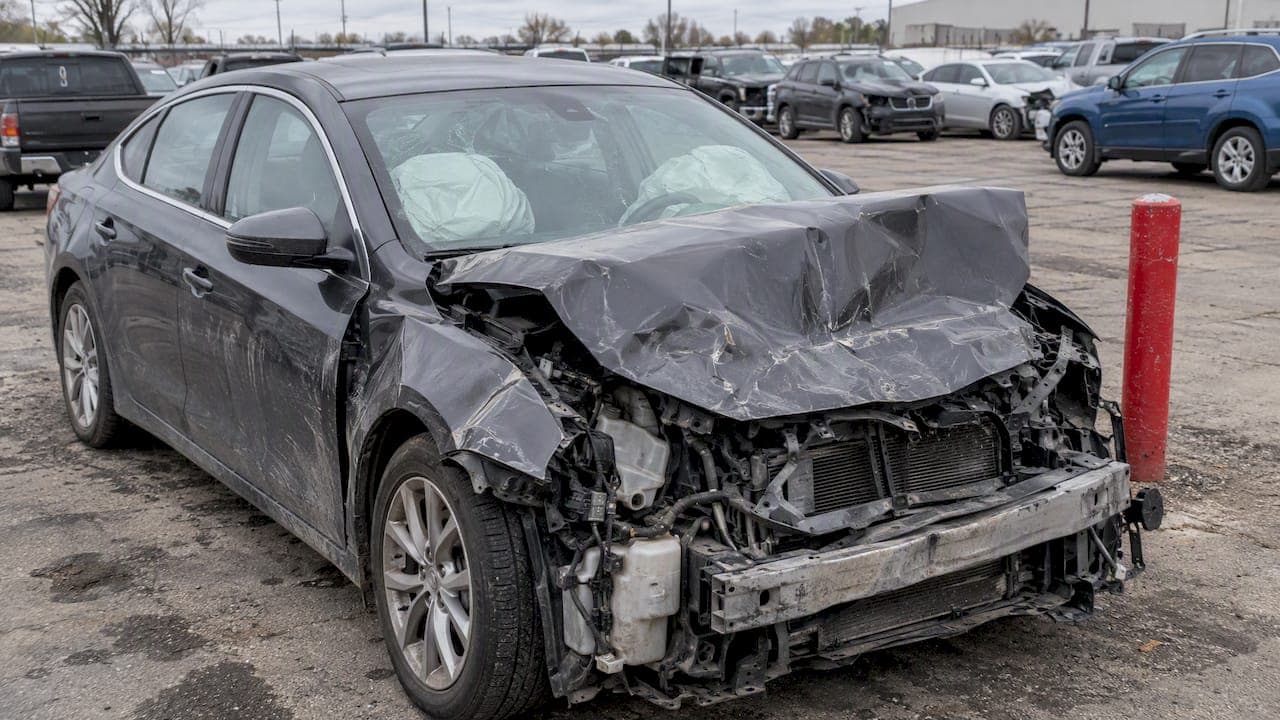
If your car was totaled and you still owe more on the loan than the insurer will pay, gap coverage is meant to pay the difference. It does not pay on its own and it does not pay first. You settle the regular collision or comprehensive claim, then you file the gap claim yourself, with the settlement paperwork in hand. This guide walks through that sequence, the math, the exclusions that trip people up, and what to do if you never bought gap coverage.
TL;DR
- Gap coverage pays the difference between your car's actual cash value and your remaining loan or lease balance after a covered total loss or theft, according to the Consumer Financial Protection Bureau.
- Your auto insurer settles first. The gap claim comes second, and many agreements set a deadline as short as 90 days from the settlement date.
- Keep making loan payments while the gap claim is processed. Late fees and credit damage can still accrue.
- Gap generally cannot be bought after the loss, and it does not cover mechanical failures such as a blown engine.
- If another driver caused the crash, a separate claim against their insurer may change how big the gap is. That is where a lawyer can help.
Table of Contents
- What gap coverage actually pays
- The gap claim process, step by step
- Why gap claims get denied or reduced
- Can you buy gap coverage after the car is totaled?
- When someone else caused the crash
- Our perspective
- Get your whole claim looked at
- Protecting yourself while the claim moves
- FAQ
- Sources
What gap coverage actually pays
Standard collision and comprehensive coverage pays up to your vehicle's actual cash value (ACV), which is roughly what it was worth the moment before the crash. New cars lose value fast, and a loan with a small down payment or a long term can leave you owing more than the car is worth. That shortfall is the gap.
Here is a simple illustration, with made-up numbers:
| Item | Amount |
|---|---|
| Remaining loan balance | $24,000 |
| ACV set by your insurer | $19,500 |
| Your collision deductible | $500 |
| Insurer's payment to the lender | $19,000 |
| Shortfall on the loan | $5,000 |
Without gap coverage, you would owe that $5,000 to the lender for a car you no longer have. With it, the gap provider covers the shortfall, subject to the terms of your contract. Whether the $500 deductible is also covered depends on the agreement. The CFPB notes that gap does not pay for deductibles, late fees, or missed payments, though some agreements and some state rules provide a limited deductible credit, up to $500 in some cases. Read your own contract for that line.
Insurance or debt waiver?
What is sold as gap "insurance" at a dealership or through a lender is often a debt waiver or debt cancellation contract. The Office of the Comptroller of the Currency has addressed how these debt cancellation contracts work for national banks. In practice, a waiver is a contractual promise to cancel part of your debt, not a policy regulated like a standard auto policy. Refund rights and claim rules can differ by state and by loan type, so check the title of the document you signed. Look for "GAP Waiver Addendum" or a similar name in your financing paperwork.

The gap claim process, step by step
The order matters. Gap benefits are calculated from what your primary insurer pays, so nothing moves until that number exists.
- Report the total loss to your auto insurer and your lender. Do both quickly. Your lender needs to know the vehicle is gone, and your insurer starts the valuation.
- Contact your gap provider early. Find the provider's name on your gap addendum or financing contract. Do not assume the dealer or insurer will file for you. The Washington State Office of the Insurance Commissioner advises consumers to start the claim themselves and watch the deadlines.
- Settle the primary claim. Your insurer determines ACV and pays the lender. Capital One's claim guide explains that the collision or comprehensive claim is filed and approved first.
- Collect your documents. Expect to need the insurer's settlement or valuation statement, your loan payment history, and the original financing contract with the gap addendum. Providers often also ask for a police or incident report and proof of your loan balance at the date of loss.
- Submit the gap claim. Many agreements require this within 90 days of the primary settlement date, according to the same Capital One guide.
- Wait, and keep paying. Processing can take 5 to 10 business days once your file is complete, but 4 to 6 weeks is a more common experience.
- Confirm the payoff. Ask the lender for a written statement that the loan is paid or reduced by the correct amount. Check for any remaining balance.
Keep paying the loan while you wait
This is the step people skip. The gap payout can take weeks, and your loan does not pause. Capital One's guidance is that you must keep making payments during the claim, because gap agreements typically do not waive interest or late fees that build up in the meantime. A missed payment can also hit your credit report. If you cannot afford the payment, call your lender before it is due and ask about options in writing.
Why gap claims get denied or reduced
Most denials come from paperwork or eligibility, not from the crash itself. These are the usual reasons.
No physical damage coverage at the time of loss. Gap benefits assume you carried comprehensive and collision coverage. The Washington OIC states that you generally must have maintained that coverage to qualify. If your policy lapsed or you dropped collision, expect a problem. For a plain-language look at eligibility and the legal trouble that follows when required coverage was missing, see this explainer on gap insurance eligibility requirements.
The claim was filed too late. A 90-day window can close faster than you expect when you are dealing with a rental car, medical appointments, and a body shop. Put the deadline on your calendar the day the insurer settles.
Missing or incomplete documents. A settlement statement without the valuation breakdown, or a loan history that stops short of the loss date, can stall a file for weeks.
The vehicle was not a covered total loss. Gap does not pay for repairs or partial damage. It applies when the insurer declares the vehicle totaled or stolen and not recovered.
Excluded items. Missed payments, late fees, and deductibles are commonly excluded, as the CFPB notes. Negative equity carried over from an earlier loan, or add-ons rolled into the financing, may also be limited under some contracts, so confirm your contract's maximum benefit.
Mechanical failure. A blown engine is not a total loss from physical damage or theft. State regulators describe gap as not an extended warranty or service contract, so it will not cover that situation.
Excluded vehicle use. Some contracts limit commercial use. Rideshare, delivery, or rental use can matter, so check the exclusions section.
If your claim is denied, ask for the denial in writing with the specific contract clause cited. Then compare that clause to what you signed. Our guide to common car accident claim denials covers the general approach to appealing: get the reason, gather proof, and respond in writing.
Can you buy gap coverage after the car is totaled?
No. The Washington OIC says gap cannot be purchased after the vehicle has been totaled, and that you need physical damage coverage in place when the loss happens. If you did not have it, your options are narrower, but not empty:
- Check your paperwork. Many buyers forget they signed a gap addendum at the dealership. Dig out the financing contract.
- Check your lender or credit union. Some lenders sell or include a gap-type product that you may not remember.
- Ask about a refund of unearned premiums if you paid off early. If you traded in the car or paid the loan off before the loss, you may be owed a prorated refund. The CFPB's page notes you can request a refund of unearned premiums even when the lender does not offer one. The American Financial Services Association says lenders are often required by law to refund unearned premiums on voluntary protection products when a loan ends through early payoff, total loss, or repossession.
- Look at who caused the crash. If someone else was at fault, their liability insurance may owe you more than the ACV figure alone suggests. More on that below.
When someone else caused the crash
Gap coverage is a contract with your own provider. It has nothing to say about who was at fault. But fault changes your financial picture in ways that can shrink the gap or the damage around it.
If another driver is responsible, you can often bring a claim against their insurer for the value of your car, and for other losses. The rules for these claims vary by state. Our overview of U.S. third-party car claims explains how they work and when to involve a lawyer.
Three practical points:
- Valuation disputes are common. If your insurer's ACV number looks low, a higher valuation lowers the gap and increases what the lender receives. Gather comparable listings and records of recent maintenance and upgrades.
- Diminished value is a separate issue. It applies to a repaired car, not a total loss, but if your car was repaired rather than totaled, see our guide on diminished value claims.
- Shared fault changes the payout. In states with comparative negligence rules, being partly at fault can reduce what you recover. We explain how in comparative negligence in U.S. car claims.
Injuries make all of this bigger. Medical bills, lost wages, and pain and suffering sit outside your gap claim, but they are part of the same crash. Our list of car accident settlement factors shows what drives those numbers, and how bodily injury and PIP pay explains which coverage responds first.
Our perspective
We talk with people who are hurt in crashes, and the pattern is consistent. The car is the first thing everyone worries about, because the loan bill keeps arriving. But the car is usually the smaller part of the total claim. A person who has a totaled car, a back injury, and missed work is juggling three or four separate claims with different deadlines, and each one has a clock.
Gap paperwork is a good example. It looks like a minor administrative task, but a missed 90-day window can turn a covered shortfall into a debt you carry for years. We encourage people to write down every deadline the week of the crash: the insurer's valuation response, the gap filing window, any statute of limitations on injury claims, and the dates on loan payments.
We do not pay claims or sell gap coverage. What we do is help injured people understand what they may be entitled to and connect them with attorneys who handle these cases. If the other driver was at fault, or if you were hurt, it is worth knowing early what the whole claim might include, not only the car.
— Gerard
Get your whole claim looked at
If your car was totaled in a crash and you were injured, the vehicle is only one piece of what you may be owed. Our free evaluation asks about your injury and the circumstances, then connects you with a vetted local attorney who can review your options. There is no obligation. Start your free evaluation and see where you stand.
Protecting yourself while the claim moves
A short checklist that holds up in most states:
- Photograph the vehicle, the scene, and the odometer before the car is towed, if you can.
- Request the valuation report in writing and check trim level, mileage, and options.
- Save every email and letter from the insurer, lender, and gap provider in one folder.
- Write down the name, date, and substance of every phone call.
- Do not sign a release with another party's insurer before you understand what it waives, especially if injuries are still developing.
- Confirm in writing when your gap provider received your complete file.
If the crash happened in a no-fault state, your own insurance may pay medical costs first. Our no-fault guide lists those states and explains when you can still sue.
FAQ
Can I get gap insurance after my car is totaled?
No. Gap coverage must be in place before the loss, and you generally need comprehensive and collision coverage on the vehicle as well. If you bought a car from a dealer, check your financing documents, since gap is often added at signing and easy to forget.
What is not covered by gap insurance?
Gap typically excludes deductibles, late fees, missed payments, and repair costs. It also does not cover mechanical breakdowns. Some contracts exclude certain commercial uses or cap the benefit, so read the exclusions in your own agreement.
Will gap insurance cover a blown engine?
No. Gap applies only to total losses from physical damage or theft. A mechanical failure is the territory of a warranty or service contract, not gap, according to state insurance regulators.
How long does a gap claim take?
Once your documents are complete, processing can take 5 to 10 business days, though 4 to 6 weeks is common. Keep paying your loan in the meantime, because late fees and interest generally keep accruing.
Does totaling your car hurt your credit?
The accident itself does not appear on your credit report. Missed loan payments or an unpaid balance after the total loss can. That is why you should keep paying, and call your lender at once if you cannot.
Sources
- Consumer Financial Protection Bureau: What is GAP insurance?
- Capital One Auto Navigator: How to make a GAP insurance claim
- Washington Office of the Insurance Commissioner: Gap insurance
- OCC Interpretive Letter 1032
- American Financial Services Association: CFPB auto finance examination and VPP processes