A prior injury does not automatically bar a U.S. accident claim. You can recover when the crash aggravated the condition, and the eggshell skull doctrine means a defendant takes you as they find you. The hard part is proving the accident caused a measurable worsening, which usually takes before-and-after medical records and credible expert opinion.
TL;DR:
- Build a before and after file with baseline records, post crash treatment, imaging, therapy notes, work restrictions, and a symptom diary to show measurable change.
- A physician must link the accident to the change and address aging or other causes; unsupported assumptions can lead to exclusion under Rule 702.
- Insurers often argue symptoms reflect degeneration or treatment gaps, so explain interruptions honestly and avoid recorded statements until you have spoken with counsel.
- State rules can reduce or bar recovery based on fault and vary on damage apportionment and filing deadlines; consult a local attorney promptly.
Table of Contents
- What counts as a pre-existing injury or condition
- The eggshell skull doctrine: why the defendant takes you as they find you
- Aggravation vs. a new injury: the causation burden and expert evidence
- Evidence checklist: what records, tests, and expert reports strengthen an aggravated-injury claim
- Common insurer and defense tactics, and how to respond
- How damages look when a pre-existing injury is aggravated
- Practical next steps after an accident if you already have a prior injury
- State-specific laws and variations regarding pre-existing injury claims
- The role of independent medical examinations (IMEs) in cases involving pre-existing conditions
- What a pre-existing condition changes about your options, and what we think about it
- Free evaluation: how to start and what to prepare
- FAQ
- Sources
What counts as a pre-existing injury or condition
A pre-existing condition is any injury, illness or physical or psychological problem you had before the accident. Insurers look for it because it gives them another explanation for your symptoms. Common examples include:
- Degenerative disc disease or other spine problems
- Arthritis in the knees, hips, neck or hands
- Prior fractures or surgeries
- Chronic pain conditions
- PTSD or anxiety disorders
Treatment history, diagnosis dates and your functional baseline carry real weight. Baseline means what you could do before the crash: lift, work, sleep, walk or drive without pain. Your claim rests on how far you fell from that line.
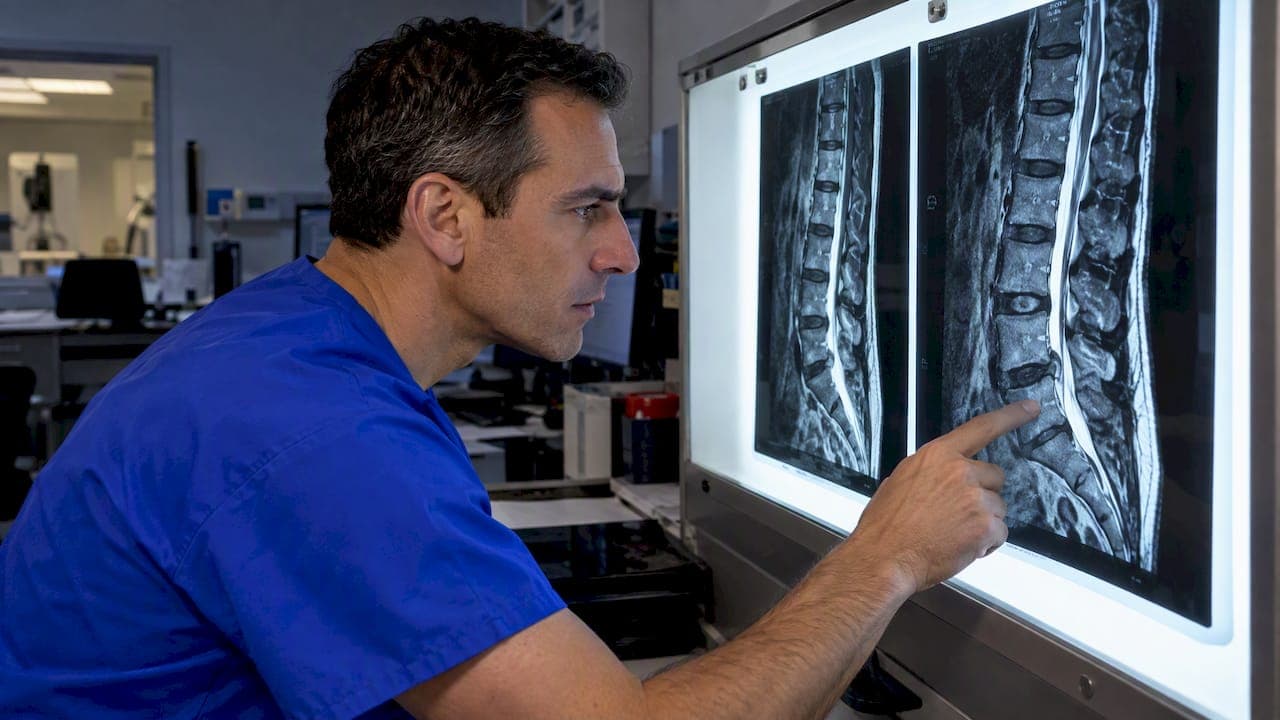
A stable or even silent condition can matter too. If your back never bothered you until a collision, and imaging shows a bulging disc that now needs treatment, the accident may still be the legal cause of your worsened condition.
The eggshell skull doctrine: why the defendant takes you as they find you
The eggshell skull rule holds a defendant liable for the full extent of your injury, even when your reaction was more severe than anyone would expect. The name comes from a classic illustration: a person with an unusually thin skull suffers a fractured skull from a light blow. The defendant cannot argue that a healthier person would have walked away.
Applied to a car crash, picture a driver with a previously fused neck who is rear-ended at modest speed. Another person might have had a sore neck for a week. This driver needs revision surgery. The at-fault party is responsible for the harm the collision actually caused, not just the harm an average person would have suffered.
There is a limit. The doctrine does not erase causation. The defendant's act must still be a proximate cause of the harm, so it protects fragile plaintiffs without turning every medical problem into the defendant's bill. In practice, the doctrine opens the door and your evidence has to walk through it by showing what changed because of the accident.
Aggravation vs. a new injury: the causation burden and expert evidence
You are not paid for the condition you already had. You are paid for the change the accident caused. That means showing a measurable shift from your prior baseline, whether in symptoms, function, treatment needs or work capacity.
Causation is the central fight. A diagnosis alone rarely settles it, because a diagnosis says what you have, not what caused it to worsen. Strong proof usually includes:
- Records showing how you functioned before the accident
- Records showing a clear change afterward, with dates
- A physician who explains why the accident, and not simple aging or progression, explains the change
- A differential diagnosis that rules out other plausible causes
Expert testimony is where many claims are won or lost. Judges frequently scrutinize experts under Rule 702 for analytical gaps, and an expert who fails to rule out alternative causes or leans on unsupported assumptions risks exclusion. Losing a specific-causation expert can cripple the entire claim.
Pro Tip: Ask your treating doctor whether they can state, in plain terms, what your condition looked like before the crash and what changed after it. Vague notes help the other side.
Causation framing matters at trial as well. Mock-trial research found that how proximate cause is argued, and how verdict forms present it, materially affect juror findings.
Evidence checklist: what records, tests, and expert reports strengthen an aggravated-injury claim
Build the file in roughly this order, starting with what is hardest to recreate later:
- Baseline records. Pull treatment notes, imaging and prescriptions from before the accident, with dates. They show the starting point, and hiding them usually backfires.
- Post-accident medical records. Include the emergency visit, follow-up appointments and any referrals. Consistent treatment patterns show your symptoms were real and ongoing.
- Imaging and test results. Compare new MRIs or X-rays with older ones when they exist.
- Therapy notes and work restrictions. Physical-therapy progress notes and written restrictions from your doctor show functional decline in concrete terms.
- A symptom log. Short, dated entries about pain, sleep and activities you can no longer do carry more weight than memory months later.
- Expert reports. Orthopedists, neurologists, life-care planners and vocational experts should separate accident-related needs from preexisting ones. For psychological injuries, see our guide to expert witness types.
- Administrative evidence. Employer attendance records, prior disability filings and photographs of visible injuries fill gaps that medical charts leave.
Pro Tip: Request your records now and keep your own copies. Providers close, systems migrate and old files get archived.
For a deeper walkthrough of documentation, read our article on records for the eggshell skull rule.
Common insurer and defense tactics, and how to respond
Expect the other side to build its case around your history. The usual themes:
- Causation doubt: your symptoms were coming anyway.
- Treatment gaps: a stretch with no care suggests you were fine, or that something else happened.
- Blaming long-term conditions: everything is "degenerative."
- Attacking expert assumptions: the expert did not review your old records or ignored other causes.
Defense lawyers lean on proximate cause for a reason. It is an independent element in tort cases, and it gets harder to prove once pre-existing history enters the record. A clear, simple cause narrative helps jurors follow your side.
Your best responses are practical. Present a clean before-and-after timeline. Use an expert who addresses and rules out the alternatives the insurer will raise. Explain any treatment gap honestly, such as lack of insurance, a referral delay or recovery that seemed to be going well. Keep the trial theme focused on one idea: the accident changed your life from this point to that point. If an insurer has already denied or lowballed you, our guide to common claim denials covers what to do next.
How damages look when a pre-existing injury is aggravated
Compensation targets the aggravation, not the underlying condition. Items that can be recoverable when tied to the worsening include:
- Past medical bills and reasonably certain future care
- Lost wages and reduced earning capacity from accident-related limits
- Pain and suffering tied to the worsened condition
Future care is usually presented through a life-care plan, and plans draw heavy fire. Reviewers look for inflated costs, unsupported treatment recommendations and failure to separate preexisting conditions from accident-related needs. Defense counsel also point to treatment gaps and mismatches between projected care and your documented history to argue the plan overstates damages.
The fix is documentation. Each projected item should trace to a physician's recommendation, and your records should show why the need arose after the accident. For background on how insurers value claims, see our settlement factors list.
If repair bills are straining you while the claim is pending, Deductible Assistance offers prequalification and guidance on paying insurance deductibles for vehicle repairs.
Practical next steps after an accident if you already have a prior injury
Move quickly and keep things honest and organized:
- See a doctor right away. Tell providers exactly which symptoms are new or worse than before, and mention your prior injury.
- Request and save your records. Ask for both old and new charts.
- Start a symptom diary. Photograph visible injuries and note new limits at home and work.
- Hold off on recorded statements. Speak with counsel before giving an insurer a recorded account of your health history.
- Request a free case evaluation with your intake details ready.
Pro Tip: Describe your prior condition accurately and early. A defense lawyer who discovers it later can make an omission look like concealment.
State-specific laws and variations regarding pre-existing injury claims
The core idea, that you recover for aggravation and not for the old condition, is broadly shared across the country. The details are not. States differ in how they handle several issues that matter when you have prior injuries.
First, comparative fault. Some states reduce your recovery by your share of fault, and some bar recovery entirely if you are over a threshold, so an insurer may try to blame you partly for the worsening. Second, apportionment. In some jurisdictions a jury may be asked to separate damages caused by the accident from damages caused by the prior condition, while others place the burden on the defense to prove how much of your harm was already there. Third, deadlines. Statutes of limitation vary, and waiting while you sort out your medical history can cost you the right to file. Fourth, evidence rules and standards for expert testimony differ by state, and federal courts apply Rule 702, so the same expert may face different scrutiny depending on where your case is heard.

None of these variations changes the practical advice: document your baseline, document the change, and get an expert who can explain the link. Which rules apply to you depends on where the accident happened and where a case would be filed. A licensed attorney in your state can tell you how that jurisdiction treats apportionment, fault and deadlines. We can connect you with one through a free evaluation.
The role of independent medical examinations (IMEs) in cases involving pre-existing conditions
An independent medical examination may be requested by the insurer or defense and performed by a doctor they choose. Ask your attorney what to expect from the exam and how its findings may affect the case.
In pre-existing condition cases, the IME doctor usually reviews your old records and may conclude that your symptoms are degenerative, that you were already symptomatic or that you have fully recovered. The examiner may consider whether your symptoms reflect the condition’s progression, an accident-related change, or both.
How you handle it matters:
- Be accurate and consistent. Describe your history the same way you told your treating doctors.
- Be specific about change. Explain what you could do before and what you cannot do now.
- Know the rules. Your state may set limits on who can attend or whether the exam can be recorded, so ask counsel before the appointment.
- Review the report. Check what records the examiner relied on, and what they ignored.
An IME opinion is not the final word. Like any expert, the examiner can be challenged for unsupported assumptions or for failing to rule out the accident as a cause, the same Rule 702 problems that threaten plaintiff experts. A well-supported opinion from your treating physician or a retained specialist may help respond to the examiner’s conclusions.
What a pre-existing condition changes about your options, and what we think about it
Most people with a prior injury assume they have already lost. We think that belief does more damage than the insurer's tactics. A documented history can help make a before-and-after comparison clearer. The people who struggle are those who hide old problems, skip records or wait until memory fades. An early review of your evidence can show whether causation and damages are provable before you spend months guessing.
— Gerard
Free evaluation: how to start and what to prepare
Our free evaluation is built around your specific injury type and accident, so you are not filling out a generic form. We use your answers to assess your claim and match you with a vetted attorney, with no obligation. Start with these items ready:
- The date and basic facts of the accident
- Names of prior doctors and clinics
- Approximate dates of earlier treatment
- Examples of symptoms that are new or worse since the crash
The free evaluation can help you understand your options before you decide whether to proceed. Start your free evaluation here.
This article is general information, not a substitute for advice from a qualified lawyer. Consult a qualified legal professional about your own circumstances before acting on anything here.
FAQ
Can you sue for a pre-existing injury?
You generally cannot recover for the old condition itself, but you can seek compensation when an accident aggravated it. Under the eggshell skull rule, a defendant is liable for the full extent of harm they proximately caused.
What is considered a pre-existing injury?
It is any injury or condition you had before the accident, such as degenerative disc disease, arthritis, a prior fracture, chronic pain or PTSD. Even a condition that caused no symptoms can matter if the accident made it worse.
Will insurance cover a pre-existing injury?
In a personal injury claim, compensation may be sought for worsening caused by the accident rather than for the baseline condition. Expect insurers to question causation, so before-and-after medical records and a clear expert opinion are what move the outcome.
Will pre-existing conditions be covered in 2026?
That question usually refers to health insurance coverage, which is a different issue from a personal injury claim. In an accident claim, what matters is whether the crash caused a provable aggravation, and the at-fault party's insurance is responsible for that harm.
Sources
- eggshell skull rule | Wex | US Law | LII / Legal Information Institute
- Trying and Winning on Proximate Cause