Yes, you can file a civil lawsuit against a drunk driver, whether or not criminal charges succeed. A civil case seeks money for medical bills, lost wages, and pain and suffering, and sometimes punitive damages when the driver's conduct was extreme. Start now by preserving the police report, medical records, and witness contacts, then seek a free legal evaluation to see what your claim is worth.
TL;DR:
- A civil DUI lawsuit can proceed regardless of the outcome of criminal charges, with evidence like police reports and BAC results strengthening your case.
- Damages awarded often include medical expenses, lost wages, pain and suffering, and sometimes punitive damages for highly reckless conduct.
- Establishing negligence requires proving the driver owed a duty, breached it through intoxication, caused the crash, and you suffered measurable losses.
- Evidence such as blood test results, scene photos, witness contacts, and police reports are critical for building a strong claim, especially when a criminal conviction exists.
- The statute of limitations typically ranges from one to three years, and cases usually settle before trial, with some exceptions for contested liability or significant damages.
Table of Contents
- What a drunk-driver civil lawsuit is and how it differs from criminal prosecution
- Types of damages you can recover in a DUI civil case
- What you must prove: elements of liability in a drunk-driving negligence suit
- Evidence that matters and how to use criminal-case records in the civil claim
- Who else can be sued: dram shop, social hosts, employers, and other third parties
- Timeline: statute of limitations, case length, and immediate actions after a crash
- Insurance, collectability, and practical recovery issues after a DUI crash
- When to hire counsel, contingency fees, and what to ask at a free evaluation
- Settlement versus trial: what to expect and when a trial is likely
- Publisher perspective: why we connect injured people with vetted attorneys
- Get matched with attorney help through our free evaluation
- Sources
- FAQ
What a drunk-driver civil lawsuit is and how it differs from criminal prosecution
A criminal DUI case punishes the driver through fines, license loss, or jail. A civil lawsuit runs separately and exists to get you paid. The two use different standards: criminal prosecutors must prove guilt beyond a reasonable doubt, while civil plaintiffs only need a preponderance of the evidence, meaning it's more likely than not that the driver caused your injuries.
A conviction or guilty plea in the criminal case often becomes powerful proof in your civil claim, sometimes locking in the question of fault entirely under a doctrine called collateral estoppel, according to a DUI lawsuit overview. You typically file the civil suit in the county civil court where the crash happened.
- A pending criminal case can also give you access to police files and lab results through the prosecutor.
- You do not need a conviction to sue civilly, though one helps.
Types of damages you can recover in a DUI civil case
Compensation in a drunk-driving claim generally falls into three buckets, and each requires its own paper trail.
- Economic damages cover medical bills, future treatment, lost wages, and vehicle repair or replacement.
- Non-economic damages compensate for pain, suffering, and emotional trauma that don't come with a receipt.
- Punitive damages punish especially reckless behavior, such as extremely high blood alcohol levels or a repeat DUI offense, and are awarded less often than the other two categories.
Courts weigh punitive damages case by case, and the degree of intoxication or a driver's prior record can push a claim toward that outcome. Non-economic losses are harder to value, so journaling how your injuries affect daily life, sleep, and relationships gives your attorney something concrete to present.
Pro Tip: Keep every medical bill, pay stub showing missed work, and repair estimate in one folder from day one; insurers and courts value organized documentation.
What you must prove: elements of liability in a drunk-driving negligence suit
Winning a civil claim means proving four elements.
- Duty: every driver owes others a duty to drive safely and sober.
- Breach: the driver violated that duty, and driving with a blood alcohol concentration above 0.08% can establish "negligence per se," a legal shortcut that treats the violation itself as proof of breach.
- Causation: the impairment directly caused the crash and your injuries, shown through the crash sequence, skid marks, or a rear-end pattern typical of delayed reaction time.
- Damages: you suffered measurable losses.
Because DUI convictions and BAC results often establish breach almost automatically, plaintiffs' lawyers spend more energy on causation and damages, according to LegalClarity's analysis. Comparative negligence rules in most states reduce your recovery by your own percentage of fault, so a jury finding you 20% responsible cuts your award by that share.
Evidence that matters and how to use criminal-case records in the civil claim
Strong evidence turns a claim into a settlement. Priority items include the BAC or blood test results, the police crash report, medical records tied to your injuries, scene photos, dashcam or surveillance video, and contact information for witnesses.
- The police report documents the officer's observations of impairment at the scene.
- BAC results from the arrest tie directly to negligence per se arguments.
- Medical records connect the crash to your specific injuries and treatment costs.
A criminal conviction or guilty plea can be used in the civil case as strong evidence of fault, sometimes preventing the driver from relitigating whether they were impaired, per LegalClarity's review of DUI lawsuits. Your attorney can also subpoena bar receipts, phone records, or employer logs during discovery.
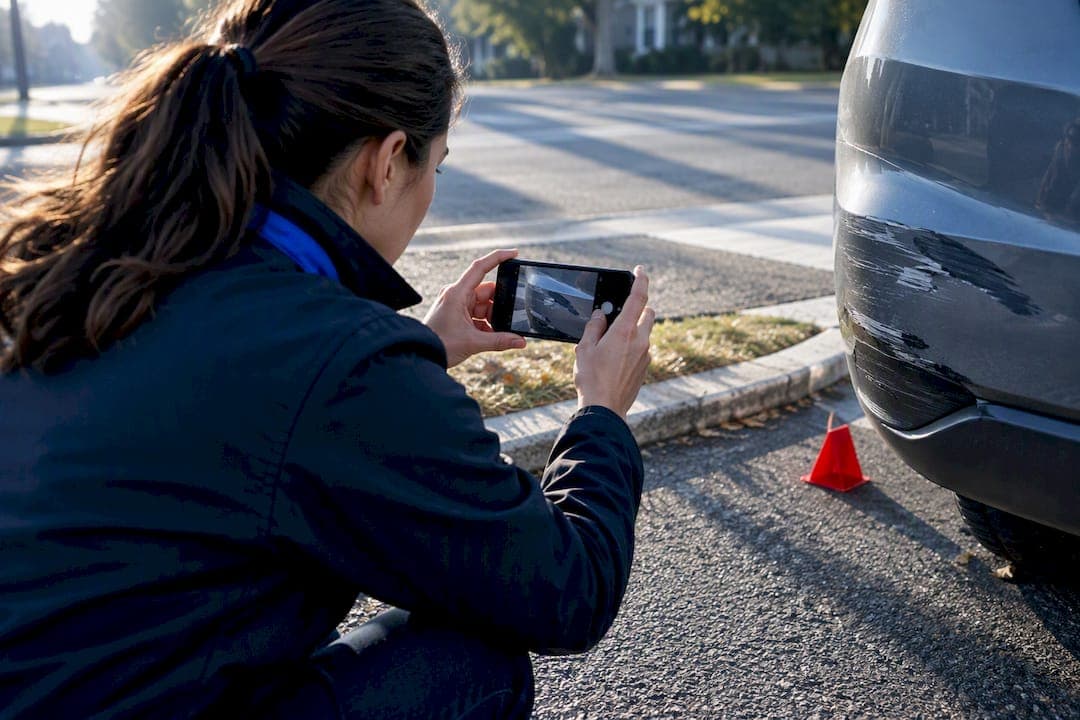
Pro Tip: Photograph the scene, vehicles, and any visible injuries before repairs or cleanup erase the evidence.

Who else can be sued: dram shop, social hosts, employers, and other third parties
The drunk driver isn't always the only defendant worth pursuing. Dram shop laws, which let victims sue bars or restaurants that overserved a visibly intoxicated or underage patron, exist in 43 states and the District of Columbia, though the specific requirements vary by state, according to FindLaw's dram shop overview. A Utah-specific dram shop guide shows how strict some state timelines can be, including short notice windows after a crash.
- Social host liability applies in some states when a private party host serves a visibly drunk guest who later crashes.
- Employer liability can attach under respondeat superior when the drunk driver was working or running a work errand at the time.
- Commercial and employer defendants often carry higher insurance limits than an individual driver, which matters when your losses exceed the driver's policy.
Timeline: statute of limitations, case length, and immediate actions after a crash
Deadlines and case pacing shape every decision after a crash.
- Check your state's statute of limitations immediately, since personal injury deadlines commonly fall between one and three years from the crash date, and missing it can end your claim entirely.
- Expect a civil timeline of roughly 12 to 24 months from filing through discovery to settlement or trial, though disputed liability or severe injuries can extend that, according to LegalClarity's process overview.
- Get medical care first, then file a police report, photograph everything, and notify your insurer.
- Contact witnesses quickly while memories are fresh and before contact information changes.
Insurance, collectability, and practical recovery issues after a DUI crash
The at-fault driver's liability insurance is usually your first source of payment, but minimum policy limits in many states fall well short of serious injury costs. This is where uninsured or underinsured motorist (UM/UIM) coverage on your own policy becomes critical, since it can fill the gap when the drunk driver carries too little insurance or none at all.
- Check your own UM/UIM coverage before assuming the at-fault driver's policy is your only option.
- Winning a judgment doesn't guarantee payment; some drunk drivers are judgment-proof, meaning they have no meaningful assets or wages to collect against.
- Certain states bar drunk driving related debts from being wiped out in bankruptcy, which can help victims eventually collect, according to Tuite Law's overview.
- Pursuing dram shop or employer defendants alongside the driver often improves your odds of full recovery, since those parties typically carry larger policies.
When to hire counsel, contingency fees, and what to ask at a free evaluation
Serious injuries, disputed liability, an uninsured driver, or a possible dram shop or employer claim are strong signals that you need an attorney rather than handling the claim alone. Explaining why hiring a car accident attorney matters most when multiple defendants or complex negligence questions are involved.
Most personal injury attorneys work on contingency, meaning they collect a percentage of your settlement or verdict and advance case costs, so you owe nothing if the case doesn't succeed.
- Ask about experience with DUI civil claims specifically, not just general car accident cases.
- Ask how they plan to prove causation and whether they'll bring in accident reconstruction or medical experts.
- Ask for a realistic timeline based on your injuries and the defendants involved.
Pro Tip: Bring the police report number, your insurance policy, medical bills, and a written timeline of events to any intake call or free evaluation.
Settlement versus trial: what to expect and when a trial is likely
Most DUI civil cases settle before trial, largely because clear impairment evidence and BAC results make liability hard for insurers to contest, according to LegalClarity's case data.
- The process usually starts with a demand letter outlining your damages and requested compensation.
- Negotiation or mediation typically follows, often resolving the case without a courtroom.
- Trial becomes more likely when the insurer disputes the amount of damages, denies coverage, or when punitive damages are on the table and the insurer won't budge.
Going to trial adds time, cost, and uncertainty, so most attorneys weigh that risk against a fair settlement offer before recommending it.
Publisher perspective: why we connect injured people with vetted attorneys
This guide was created to raise awareness among drunk-driving victims about their civil options alongside the criminal case, focusing on providing practical, usable steps for those affected. Preserve your evidence now, then use a free evaluation when you're ready to move forward.
— Gerard
Get matched with attorney help through our free evaluation
You've read what proving a drunk-driving claim requires: evidence, deadlines, and often more than one defendant. Our free evaluation gathers the details of your crash and injuries, then matches you with attorneys experienced in DUI civil claims at no cost and no obligation.
There's no fee to submit your information, and it takes only a few minutes to see where you stand. Start your free evaluation today.
FAQ
How much money does a drunk driving wreck lawsuit pay?
There is no fixed payout; compensation depends on your medical costs, lost income, and the severity of pain and suffering, plus whether punitive damages apply. A free case evaluation is the most reliable way to get a sense of what your specific injuries and losses might be worth.
Is it worth suing a drunk driver?
Suing is often worth it because DUI cases tend to have strong evidence of fault, including police reports and BAC results, which can make settlement more likely than in typical crash cases. It's especially worth pursuing when your losses exceed the driver's insurance limits, since dram shop or employer claims may provide additional recovery.
How long does it take to sue a drunk driver?
Most civil cases often resolve within about one to two years from filing to settlement or trial, though the exact timeline depends on how contested liability and damages are, according to LegalClarity's process breakdown. Check your state's statute of limitations immediately, since it can be as short as one year from the crash date.
How hard is it to win a civil lawsuit?
Civil cases only require a preponderance of the evidence, a lower bar than the criminal standard, and DUI cases often come with strong supporting proof like police reports and BAC results. Victims can win civil claims even when the criminal case ends in a reduced charge or dismissal, since the two proceedings are legally separate.