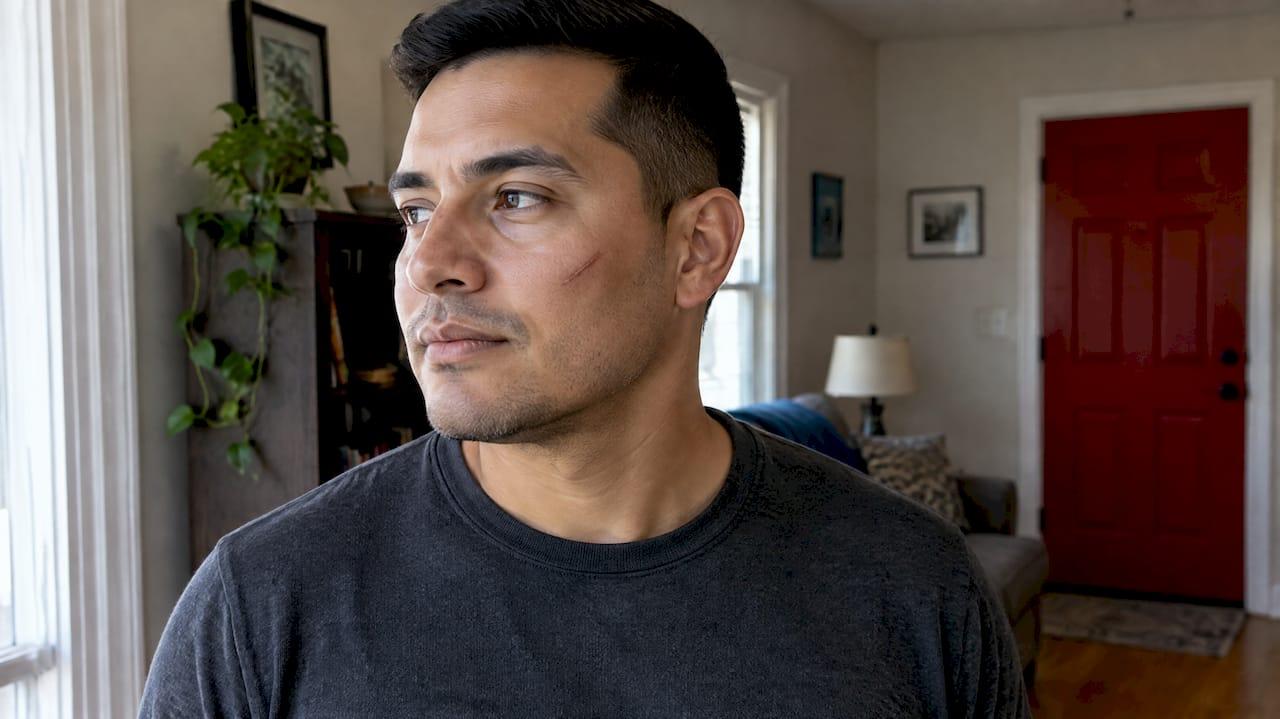
A scar injury settlement has no set price. Courts treat scarring and disfigurement as part of your damages, and the value depends on where the scar is, how visible and permanent it is, and, above all, how well you can document it. If an accident left you with a scar and someone else was at fault, the first practical step is a free, no-obligation evaluation that looks at your injury type and your circumstances, so you know whether you have a claim before you speak to anyone about money.
TL;DR
- Scarring and disfigurement are recognized categories of damages after a negligent accident, but no formula converts a scar into a dollar figure.
- Jurors and adjusters weigh the scar's appearance, location, permanence, how it affects your daily life and the mental suffering it causes.
- Photographs and medical records are what turn a scar into proof. One federal appeals court upheld a zero award for disfigurement where the trial record had almost nothing on the scars.
- Rules and deadlines vary by state, so the earlier a case is evaluated, the more options you keep.
- Our free evaluation is built around your injury and scenario, and connects you with a vetted local attorney.
Table of Contents
- Can you be compensated for a scar?
- What shapes the value of a scar claim
- What evidence proves a scarring claim
- Which damages can a scar claim include
- Why scar claims are hard to value alone
- Where an attorney changes the outcome
- Start with a free evaluation
- FAQ
- Sources
Can you be compensated for a scar?
Yes, when the scar came from an accident that someone else's negligence caused. Disfigurement is not usually a separate bill you can send to an insurer. It is one piece of your general damages, the non-economic losses that sit next to medical bills and lost income.
North Carolina's pattern jury instruction on scarring is a clear example of how courts frame it. It lets a jury award money for scarring or disfigurement that results from the defendant's negligence, and it tells jurors to consider the change in the plaintiff's appearance, the embarrassment, and the mental suffering past, present and future. It also states there is no fixed formula for placing a value on the harm. If the evidence shows the scar is permanent, the jury also receives the separate permanent-injury instruction.
That is one state's wording, but the idea is common across the country: the law accepts that a lasting change to your face or body is a real loss, and it leaves the measurement to people weighing the evidence.
This matters whether the scar followed a car crash, a motorcycle slide, a bicycle collision or a truck impact. The vehicle changes the facts of fault and insurance. It does not change the basic question of how the scar affects your life.
What shapes the value of a scar claim
Because there is no formula, value comes from a set of factors that jurors, adjusters and attorneys all look at. Utah's model jury instructions put the principle plainly: pain, suffering and disfigurement cannot be determined exactly, and jurors may consider the degree and character of the disfigurement, how long and how severe it is likely to be, and whether the consequences will continue into the future. The award only needs a reasonable basis, not mathematical certainty.
In practice, that translates into questions like these:
| Factor | What gets asked |
|---|---|
| Location | Is the scar on the face, neck, hands or another place people see every day? |
| Size and appearance | How long, wide, raised, discolored or irregular is it? |
| Permanence | Will it fade, or is it expected to stay for life? |
| Treatment | Did you need surgery, grafts, laser work or scar revision? Is more expected? |
| Daily impact | Does it limit your work, relationships, activities or clothing choices? |
| Emotional harm | Has it caused embarrassment, anxiety, withdrawal or other distress? |
| Fault and coverage | Who caused the crash, and what insurance is available to pay? |
Two people with similar scars can end up with very different outcomes. A small scar on the forearm of someone who rarely thinks about it sits very differently from the same scar on the face of someone whose job puts them in front of customers. The facts of your life are part of the claim.
Why the scar's story matters as much as its size
A jury instruction in Utah asks whether consequences will continue in the future, and North Carolina's asks about mental suffering over time. Both point the same way: the claim is not only what the scar looks like on the day of the photo. It is what it has meant, and will mean, for you.
That is where many people undersell their own case. They describe the injury in clinical terms and leave out that they stopped going to the gym, avoid photographs, or wear clothing to cover the area. Those details belong in your records and in your conversation with an attorney.
What evidence proves a scarring claim
Scars are visible, which makes people assume they prove themselves. Courts say otherwise. In a 2022 decision, the Fifth Circuit Court of Appeals upheld a zero award for disfigurement where the trial evidence included only a fleeting mention of scars and no photographs or medical records. The court also noted that surgery alone does not prove disfigurement, and that these damages are particularly within the jury's province because they are necessarily speculative. Applying Texas law, it pointed to objective evidence such as photographs or medical records as what supports an award.
The takeaway for you is practical, not alarming: build the record while the injury is fresh.
A documentation routine that works
- Photograph early and often. Take clear photos in good light on the day you can, then at regular intervals as the wound heals, stitches come out and color changes. Include a ruler or coin for scale and a shot that shows the scar in the context of your face or body.
- Keep every medical record. Emergency notes, surgical reports, follow-up visits and any specialist referrals describe the injury in a clinician's words, which carries weight.
- Ask your provider about permanence. A treating doctor's note on whether the scar is expected to fade, whether revision is possible and what it would involve gives the claim a future dimension.
- Write a short journal. Note when the scar affected something specific: a missed event, a work conversation, a difficult day. Dated, plain entries are more useful than a summary written years later.
- Save receipts. Scar creams, silicone sheets, camouflage products, treatments and mileage to appointments all show real cost.
Photos taken before a case evaluation are the starting point, and our guide on U.S. scarring damages and photos before a free case evaluation walks through what to capture.
Which damages can a scar claim include
A scar claim rarely stands alone. Depending on your state and the facts, the recovery picture may include:
- Medical expenses to date, such as emergency care, stitches, surgery and follow-up visits.
- Future medical costs, for example scar revision or laser treatment your doctor expects you to need. Our article on how future medical expenses are proven and valued explains how those figures are supported.
- Lost income if the injury or recovery kept you from work, or if the scar affects the kind of work you can do.
- Pain and suffering and disfigurement, the non-economic losses discussed above.
- Emotional distress. Many people with visible injuries also experience anxiety or trauma, and our guide to PTSD after an accident and your claim covers how that fits in.
How much of this you can recover depends on who was at fault, what insurance applies and what your state's law allows. That is why two scar claims that look similar on paper can resolve differently, and why a general list of numbers from the internet is a poor guide to your own case. For a broader view of the variables insurers weigh, see our car accident settlement factors list.
Motorcycle and bicycle crashes
Riders often carry scarring from road rash, where skin is torn away as the body slides along pavement. These injuries can be deep and slow to heal, and they frequently leave lasting marks. Our breakdown of what drives road rash settlement value covers the details riders ask about most.

When a family has lost someone
If an accident took a loved one's life, scarring is rarely the focus, and a wrongful death claim follows its own rules that differ by state. The evaluation form includes intake for wrongful death so a family can describe what happened and be connected with an attorney who handles those cases.
Why scar claims are hard to value alone
The difficulty is not that scars are unimportant. It is that the amount is left to judgment. The Fifth Circuit's reasoning shows that when a scar is described thinly, a decision-maker can give it nothing. The Utah and North Carolina instructions show the opposite side: when the record explains appearance, permanence and personal impact, the law gives a jury room to compensate fully.
An insurance adjuster knows this. Early offers often arrive before the scar has finished healing, when the final appearance and any need for revision are still unknown. Accepting a settlement usually means signing a release, which closes the claim for good. If the scar later turns out worse than expected, or needs a procedure nobody priced in, the release generally keeps you from going back for more.
So timing matters. Understand how long your recovery is likely to take before you decide what a fair resolution looks like, and know that our overview of the car accident injury claim timeline sets out the usual stages from treatment through negotiation.

Where an attorney changes the outcome
A personal injury attorney takes the pieces above and turns them into a documented, argued claim: gathering records, framing the permanence and the effect on your life, and negotiating against an insurer who handles these claims every day. The right match matters, because injuries differ. A facial scar after a car crash, road rash after a motorcycle slide and trauma after a bicycle collision call for different evidence and different emphasis.
That is the reason our evaluation starts with your injury and circumstances rather than a generic contact form. Matching begins with what happened to you, so you are directed to a vetted local attorney suited to your situation rather than a random listing.
Our perspective
We built this service around a simple observation: people who have been hurt in an accident are often not in a position to research law firms. They are healing, missing work and trying to make sense of what happened. A scar adds another layer, because it is a daily reminder.
Our view is that the first step should cost nothing and demand nothing. A free evaluation, shaped by the type of injury and the way the accident happened, lets you learn whether you may be entitled to compensation before you commit to anything. Because the questions are specific to your injury, the attorney who hears from you starts with a clearer picture of your case.
We also believe that the earlier your scar is documented and your case is looked at, the stronger your position. Photographs, records and the details of how your life has changed are the substance of a scar claim, and an attorney matched to your situation knows which of them to prioritize.
If you or someone in your family has been injured in a car, truck, motorcycle or bicycle accident, we would rather you ask the question early than wonder about it for months.
Gerard
Start with a free evaluation
Our free evaluation is an online assessment for victims of car, truck, motorcycle and bicycle accidents. It includes intake for different injury types, including physical injuries, emotional trauma and wrongful death, and it connects you with vetted local attorneys. It carries no obligation, so you can find out where you stand before deciding anything.
Before you begin, gather what you have: photos of the scar over time, the name of the facility that treated you, the date and place of the accident, and any insurance details. If you want to see what other accident outcomes have looked like, our collection of car accident damages recovered gives examples.
FAQ
How much is a scar worth in a settlement?
There is no standard amount. Courts instruct juries that disfigurement damages have no fixed formula and depend on factors such as the appearance, permanence and effect on your life. The strength of your photographs and medical records has a large effect on the outcome.
Does every scar increase a settlement?
Not automatically. A scar adds value when you can show it is lasting and that it affected you, with evidence such as photos, treatment records and a clear account of its effect. A scar mentioned briefly and without documentation may add little, as the Fifth Circuit's zero award shows.
Should I wait until the scar heals before settling?
Many people wait until they know how the scar will look and whether treatment will be needed, because settlement usually ends the claim. Your state's filing deadlines also apply, and they vary, so have your case evaluated early to understand your timeline.
Can I claim for emotional distress from a scar?
Often yes, as part of non-economic damages. Jury instructions from North Carolina specifically point to embarrassment and mental suffering as considerations for scarring. Keep notes on how the scar affects your daily life, and mention any anxiety or trauma to your doctor so it is recorded.
Do I pay anything for the evaluation?
No. The evaluation is free and carries no obligation, and it is designed to show whether you may be entitled to compensation based on your injury and the circumstances of the accident.
Sources
- North Carolina Pattern Jury Instruction 106.10, Scarring or Disfigurement (UNC School of Government)
- Utah Model Jury Instructions, Damages (Utah Courts)
- Fifth Circuit Court of Appeals, No. 21-40562 (2022)