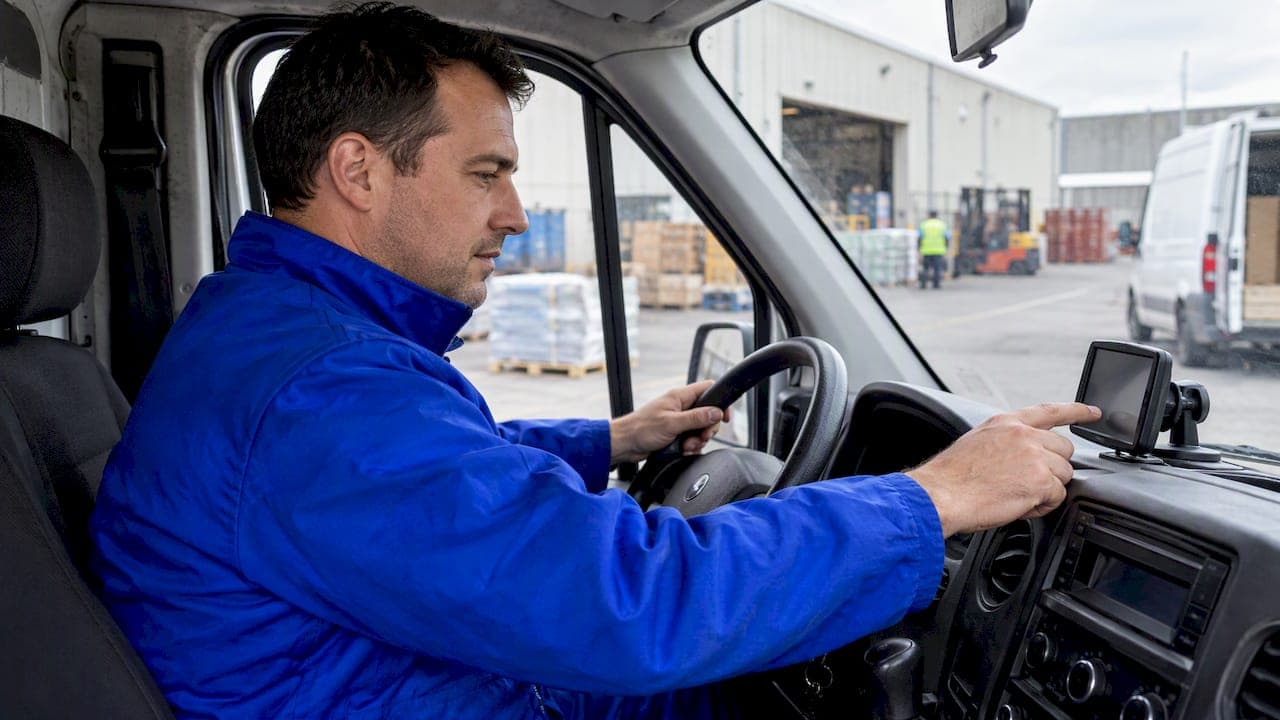
An employer can be held vicariously liable for a car crash when the driver was acting within the course and scope of employment, under the doctrine of respondeat superior. Negligent entrustment is a related but separate theory that can make a vehicle owner directly liable. Employer insurance often becomes the main source of recovery for injured victims; however, in certain claims related to defective vehicles, consulting a recall lawyer can provide additional avenues for recovery. The sections below walk through the legal tests, the evidence that proves these claims, and the practical steps to take after a crash.
TL;DR:
- Ordinary commutes usually fall outside employment scope, but employer required vehicles, special errands, and trips serving both business and personal purposes can change that result.
- Courts may treat contractors as employees when companies control routes, schedules, or work methods; labels alone do not settle the question.
- Request dispatch, GPS, and phone records in writing promptly, ideally within the first week, because companies may routinely delete or overwrite them.
- Commercial auto coverage is often the primary recovery source for company vehicle crashes, while negligent entrustment depends on what an owner knew about a driver's fitness.
Table of Contents
- What vicarious liability means in a car accident case
- Scope of employment, control, and the exceptions that decide cases
- Company cars, delivery drivers, contractors, and loaned vehicles
- The evidence that proves vicarious liability
- What vicarious liability means for insurance and damages
- Protecting your claim: evidence, timing, and legal help
- What tends to decide these cases
- Start a free evaluation with Carcollisionlawyer
- FAQ
- Sources
What vicarious liability means in a car accident case
Vicarious liability lets an injured person hold an employer responsible for harm caused by an employee, even though the employer did not personally do anything wrong. This is different from direct employer negligence, where the company itself failed, for example by hiring a driver with a known history of reckless driving. Under respondeat superior, an employer is on the hook for an employee's negligent driving only when the conduct falls within the course and scope of the job.
The policy reasoning behind this goes back to foundational U.S. Supreme Court reasoning in Standard Oil Co. v. Anderson, which treats vicarious liability as a matter of enterprise risk rather than employer fault: a business that profits from an employee's work should also absorb the costs when that work causes harm. Courts in car accident cases typically look at three things:
- Whether the driving was the kind of activity the employee was hired to do.
- Whether it happened within the authorized time and place of the job.
- Whether the driver was motivated, at least in part, by a purpose to serve the employer.
Because this is enterprise risk allocation rather than a finding of personal blame, plaintiffs often sue the employer directly, instead of or alongside the driver.
Scope of employment, control, and the exceptions that decide cases
Courts apply what's often called a Restatement-style test to decide if a crash falls inside the scope of employment. The same framework recognized in the Wex explanation of respondeat superior asks whether the act was of the kind the employee was hired to perform, whether it stayed within authorized time and place limits, and whether it was driven by a purpose to serve the employer.
A job title or contract label does not settle the question. Employers sometimes classify drivers as independent contractors to avoid vicarious liability, but courts look past the paperwork to the actual degree of control the employer exercised and how integrated the driver's work was into the business.
Several recurring exceptions shape outcomes:
- Going-and-coming rule: ordinary commutes to and from work usually fall outside the scope of employment.
- Required-vehicle exception: when the employer requires the employee to drive a personal vehicle for work tasks, the commute can fall back inside scope.
- Special errand or mission: a detour requested by the employer, like picking up supplies, often counts as work time.
- Dual-purpose trips: when a drive serves both personal and business ends, courts weigh which purpose dominated.
Oklahoma Supreme Court case law has recognized that required-vehicle and dual-purpose facts are highly fact-specific, which means small details about the trip's purpose can change the outcome.
Pro Tip: Write down exactly where the driver was headed and why, as early as possible. That single detail often decides whether a crash falls inside or outside scope of employment.
Company cars, delivery drivers, contractors, and loaned vehicles
How courts rule often depends on the type of driving arrangement involved.
- Company vehicles on routes or deliveries: these carry a high likelihood of vicarious liability because the driving is squarely part of the job.
- Trucking and commercial drivers: federal motor carrier rules impose duties on employers around driver qualification and hours of service, which tends to increase employer exposure when a commercial driver causes a crash while on duty.
- Independent contractors: the label matters less than actual control. When a company dictates routes, schedules, or how the work gets done, courts may treat the driver as an employee for liability purposes despite the contractor title.
- Personal vehicles used for work: the required-vehicle or dual-purpose exceptions can pull an otherwise private commute back into scope of employment.
- Loaned cars: when someone lends a personal vehicle to a friend or relative who causes a crash, vicarious liability usually doesn't apply because there's no employment relationship. The owner can still face direct liability under negligent entrustment if they knew or should have known the driver was unfit to drive safely.
The evidence that proves vicarious liability
Winning a vicarious liability claim depends on connecting the driver's conduct to the employer's business, and that connection is built from records, not assumptions.
- Employment records: payroll data, hiring paperwork, job descriptions, and supervisory notes establish the employment relationship and the driver's duties.
- Dispatch and trip data: dispatch logs, route sheets, GPS pings, and timestamped delivery tickets show where the driver was and why.
- Insurance and corporate documents: vehicle assignment records, commercial auto policies, and maintenance logs tie the vehicle to the business.
- Witness accounts and admissions: coworkers, supervisors, or the employer itself may confirm the driver was on a work task at the time of the crash.
In commercial trucking cases, Federal Motor Carrier Safety Regulations require driver qualification files and electronic logging device data, and those records frequently become decisive because they show whether a driver was on duty and performing employer work at the exact time of the crash.
Employer insurance policies in the United States typically include bodily injury and property damage liability coverage, along with uninsured and underinsured motorist coverage that varies by state, which shapes how much is actually available to pay a claim once liability is established.
Negligent entrustment proof works a little differently: instead of focusing on the trip, it focuses on what the vehicle's owner knew about the driver's fitness to drive before handing over the keys.
What vicarious liability means for insurance and damages
When an employer is a named defendant, the insurance picture usually changes substantially. Commercial liability policies covering company vehicles are often primary and typically carry higher limits than a driver's personal auto policy.
- Commercial policies often become the primary source of recovery for crashes involving company vehicles.
- The driver's personal policy, along with uninsured or underinsured motorist coverage, may still apply as a secondary layer.
- In some states, a separate negligent hiring or entrustment claim against the employer can create additional exposure beyond the vicarious liability claim itself, though state supreme court decisions differ on whether admitting vicarious liability blocks those extra claims.
- Damages pursued in these cases commonly include medical expenses, lost income, pain and suffering, and long-term care costs.
Because employer policies tend to carry larger limits, having a viable vicarious liability theory can meaningfully affect how much leverage an injured person has in settlement talks. Our explanation of liability allocation covers how these pieces fit together with standard negligence claims.
Protecting your claim: evidence, timing, and legal help
What you do in the days after a crash can determine whether a vicarious liability claim is even possible later.
- Get a police report, photograph the scene and any company markings on the vehicle, seek medical care, and collect witness contact information.
- Request dispatch logs and GPS or phone data early, since these records are often deleted or overwritten on a routine schedule.
- Get a claim number from the involved insurer, and avoid discussing fault on social media.
- Talk with an attorney who can issue subpoenas, handle discovery requests, and negotiate directly with commercial insurance carriers.
Pro Tip: Ask for dispatch and GPS records in writing within the first week. Many companies only retain this data for a limited period before it's purged.
Our guide on steps to protect a claim after a company vehicle accident walks through this preservation process in more detail, and our overview of why hiring an attorney matters explains the negotiating leverage a lawyer brings to a commercial carrier dispute.
What tends to decide these cases
In the patterns we see across vicarious liability claims, a handful of facts consistently tip the outcome: whether the employer required the vehicle for the job, whether dispatch logs placed the driver on a work task, and whether anyone from the company admitted, even informally, that the driver was working at the time. Those three facts surface again and again, and they're exactly what a focused intake process is built to pull out quickly so a case gets matched with the right kind of legal specialist instead of a generalist who has to relearn the doctrine from scratch.
— Gerard
Start a free evaluation with Carcollisionlawyer
If you suspect an employer, delivery company, or vehicle owner bears responsibility for your crash, you don't have to sort out respondeat superior and negligent entrustment on your own. Our site connects accident victims with attorneys through a free, no-obligation case evaluation built around the specific details of your crash, your injuries, and the driver's relationship to the vehicle's owner.
There's no upfront cost to use our evaluation, and the intake is built to surface the facts that matter most, like whether a required vehicle, dispatch assignment, or employer admission applies to your situation, helping you find an attorney who handles these claims. Start your free case evaluation to find out where your claim stands.
This article is general information, not a substitute for advice from a qualified lawyer. Consult a qualified legal professional about your own circumstances before acting on anything here.

FAQ
What does vicarious liability mean in tort law?
Vicarious liability is a legal doctrine that holds one party responsible for the wrongful acts of another, even without personal fault, based on their relationship. In car accident cases, this most often means an employer is liable for an employee's negligent driving under respondeat superior when the driving occurred within the scope of employment.
Who is liable if my friend crashes my car?
Vicarious liability generally doesn't apply when you lend a car to a friend, because there's no employment relationship between you. You can still face direct liability under negligent entrustment if you knew or should have known your friend was an unsafe driver, for example due to a suspended license or a history of reckless driving.
How much is a good settlement for pain and suffering?
There's no fixed dollar figure for pain and suffering because every case depends on the severity of injuries, medical treatment, and how the harm affects daily life. An attorney evaluating your specific medical records and circumstances is the only reliable way to estimate what your claim is worth.
What are the three main types of tort liability?
The three broad categories are intentional torts, negligence, and strict liability. Vicarious liability isn't a separate category of tort itself; it's a doctrine that assigns responsibility for someone else's negligent or intentional conduct based on a legal relationship, such as employer and employee.
Can an employer be sued directly instead of just the driver?
Yes, in many states an injured person can bring both a vicarious liability claim against the employer and a separate negligent hiring or entrustment claim, depending on local rules. State court decisions vary on whether an employer's admission of vicarious liability eliminates the need for a separate negligent hiring claim.
Sources
- respondeat superior | Wex | US Law | LII / Legal Information Institute
- Auto insurance (NAIC overview)