
If you were seriously hurt, if fault is being disputed, or if the insurance company has already offered you a number that seems too low, talk to a lawyer before you sign anything or give a recorded statement. That's the short version. If your accident involved a commercial truck, a rideshare vehicle, or a death, the answer is the same: call now, not later.
Here's what to do in the next 24 to 48 hours, regardless of how the legal question shakes out:
- Get checked by a doctor, even if you feel "mostly fine." Some injuries, especially soft-tissue and head injuries, show up days later.
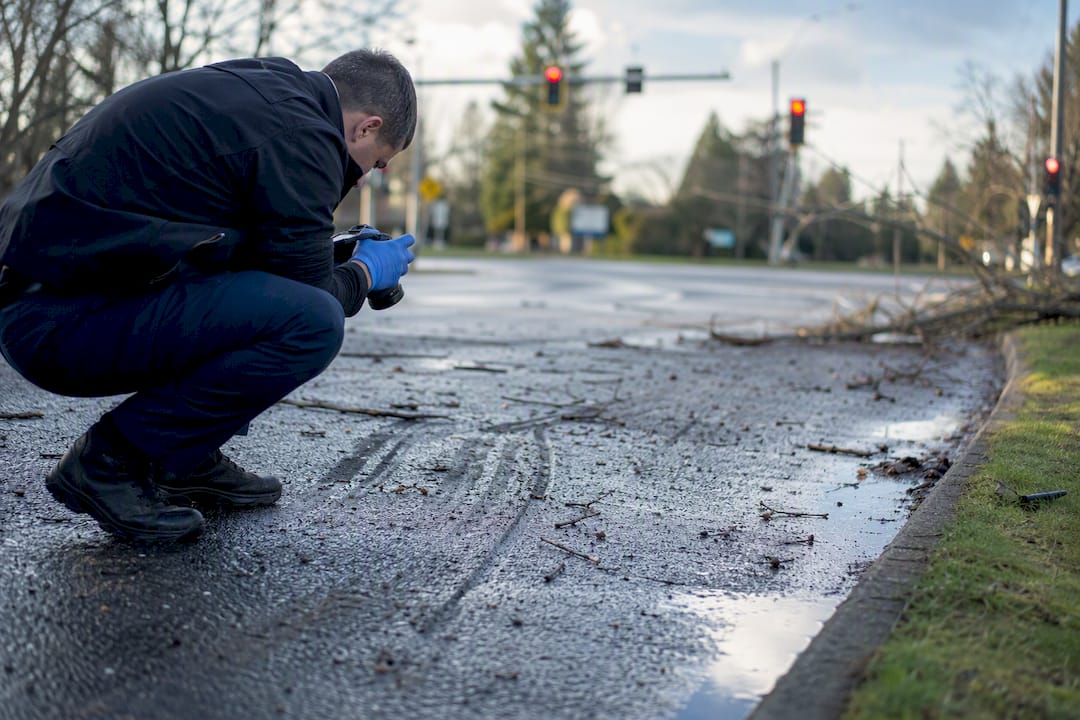
- Photograph the vehicles, the road, skid marks, and your visible injuries before anything gets moved, repaired, or cleaned up.
- Get the police report number and the names of any witnesses on scene.
- Hold off on giving a recorded statement to any insurance adjuster, including your own, until you understand your rights.
NHTSA's early crash data tracks how often and how severely Americans get hurt on the road every year, and that scale is exactly why insurers have entire departments built to settle claims fast and cheap. If any of the red flags above apply to you, a free case evaluation costs nothing and takes a few minutes.
Key Takeaways
Getting legal advice before you talk to an insurance adjuster, sign a release, or miss your state's filing deadline is the single decision that protects the rest of your claim.
| Point | Details |
|---|---|
| Hire when red flags appear | Serious injury, disputed fault, lowball offers, or commercial vehicles involved all justify a consultation. |
| Don't sign early | A signed release or recorded statement can close your claim before you know your full medical costs. |
| Deadlines vary by state | Standard filing windows often run two to three years, but claims against government entities can require notice in under 90 days. |
| Damages include future costs | Settlements should account for future medical care and lost earning capacity, not just bills already paid. |
| Free evaluation from Carcollisionlawyer | CarCollisionLawyer.net matches your accident type to a vetted local attorney at no upfront cost. |
This article is general information, not a substitute for advice from a qualified lawyer. Consult a qualified legal professional about your own circumstances before acting on anything here.
Table of Contents
- What a Car Accident Lawyer Actually Does for Your Claim
- When Should You Hire a Lawyer for a Car Accident?
- What Compensation Can You Recover After a Crash?
- How Long Do You Have to File a Car Accident Claim?
- How to Choose the Right Car Accident Attorney
- What Happens After You Hire a Lawyer? The Claim Timeline
- Why CarCollisionLawyer.net Is a Practical First Step
- A Note on Timing and What the Free Evaluation Actually Does
- Start Your Free Case Evaluation Today
- Sources
What a Car Accident Lawyer Actually Does for Your Claim
A car accident attorney's job isn't to show up in court dramatically. It's mostly quiet, methodical work that happens in the weeks after the crash, before most people even realize what's at stake.
The first job is investigation. That means requesting the police report, tracking down witnesses before their memories fade, and pulling traffic camera or nearby security footage before it gets overwritten, which for many systems happens within days. An attorney's investigator can often access records and footage that an individual claimant has no easy way to obtain alone.
The second job is medical causation. Insurance companies love to argue that your back pain started at the gym, not the crash. A lawyer builds the paper trail, medical records, treatment timelines, and sometimes expert testimony, that ties your symptoms directly to the collision, even when those symptoms didn't appear until days later.

The third job is valuation. This is where experience matters most. A lawyer estimates not just your current medical bills but future treatment costs, lost earning capacity if you can't return to your old job, and non-economic losses like pain and suffering that don't come with a receipt.
The fourth job is negotiation, and this is where most of the leverage actually gets used:
- Drafting a demand letter that lays out liability, damages, and supporting evidence in a way adjusters take seriously.
- Recognizing lowball tactics, quick settlement offers timed to arrive before you know the full extent of your injuries.
- Preparing for trial even when the goal is settlement, because insurers negotiate differently with attorneys who are genuinely ready to file suit.
Pro Tip: Insurance adjusters are trained negotiators working for a company that profits when your payout shrinks. Having someone on your side who negotiates claims for a living evens out that mismatch fast.
When Should You Hire a Lawyer for a Car Accident?
Not every fender bender needs an attorney. But certain situations turn a simple claim into a legal fight, and recognizing them early can save you thousands.
Consider hiring a lawyer if any of these apply:
- You were hospitalized, needed surgery, or still have symptoms weeks after the crash.
- The other driver, their insurer, or a police report disputes who caused the accident.
- The insurance company has denied your claim or offered a settlement that doesn't cover your medical bills.
- More than one vehicle or driver was involved, which complicates fault.
- A commercial truck, delivery vehicle, or rideshare car (Uber, Lyft) was part of the crash.
- Someone died as a result of the collision.
On the other end, plenty of accidents genuinely don't require legal representation. Best Lawyers notes that minor, clear-fault, property-only claims, no injuries, no dispute, an insurer offering a fair number, are often handled fine without an attorney.
Timing matters more than most people realize. Once you give a recorded statement or sign a release, you may have signed away your right to more compensation if your injuries turn out worse than expected. Insurers often push fast settlements precisely because a signed release closes the door on future claims, even ones tied to the same crash. Talk to a lawyer before that conversation happens, not after.
Quick checklist: Injured badly? Fault disputed? Lowball offer? Commercial vehicle involved? If you checked even one box, get a free evaluation before you talk to any adjuster again.
What Compensation Can You Recover After a Crash?
Settlement numbers aren't pulled from thin air. They're built from two categories of damages, and understanding both helps you evaluate whether an offer is actually fair.
Economic damages cover the costs with a paper trail:
- Medical bills already incurred, plus projected future medical care.
- Lost wages from time off work, and lost earning capacity if the injury affects your ability to work long term.
- Property damage to your vehicle and any personal items destroyed in the crash.
Non-economic damages cover harder-to-quantify losses:
- Pain and suffering.
- Emotional distress, including anxiety or PTSD tied to the crash.
- Loss of consortium, when injuries affect your relationship with a spouse or family.
For serious injuries, attorneys often bring in life-care planners and economists to project decades of future costs, physical therapy, mobility aids, lost promotions, that a claimant would never think to calculate alone. That's part of what a thorough settlement valuation accounts for.
This is also why accepting an early offer can backfire. If you settle before you know whether that shoulder injury needs surgery next year, you've locked in a number that may not cover what's coming. Once you sign, that claim is closed for good.
How Long Do You Have to File a Car Accident Claim?
Every state sets its own deadline for filing a personal injury lawsuit, called the statute of limitations, and missing it can permanently bar your case regardless of how strong the evidence is. Cornell Law's overview explains why these deadlines exist: courts want disputes resolved while evidence and memories are still fresh, and many states set civil filing windows in the range of two to three years from the accident date.
Some deadlines are far shorter and easy to miss. If a government vehicle, city bus, or municipal road hazard was involved, you may face a notice requirement of just a few months. Massachusetts law firm Contant Law points to notice periods under 90 days for claims against public entities, dramatically shorter than the standard civil deadline.
Waiting costs you more than time:
- Witnesses move, forget details, or become impossible to locate.
- Camera footage gets overwritten on standard retention cycles.
- Physical evidence like skid marks or debris disappears within days.
- Insurance adjusters start building their file before you've even called anyone.
Check your state's specific deadline and talk to a lawyer early. Early contact doesn't commit you to litigation. It preserves the option.
How to Choose the Right Car Accident Attorney
Not every personal injury lawyer is the right fit for your case. A few criteria separate a genuinely useful attorney from one who'll just add your name to a settlement mill.
Look for these in a free consultation:
- Relevant experience. Ask how many car accident cases like yours they've handled, and specifically whether they've handled cases with injuries similar to yours.
- Trial experience. For serious injury cases, ask whether they've actually taken cases to trial or only ever settled. Insurers negotiate harder with lawyers who don't bluff.
- Communication style. Will you get direct access to the attorney, or will a paralegal handle every update? Ask this outright.
- Fee structure. Confirm the contingency fee percentage and who covers upfront case costs like expert witness fees or medical record requests.
- Realistic expectations. Ask what they estimate your net recovery might look like after fees and costs, and how long the process typically takes for a case like yours.
Watch for red flags: guarantees of a specific settlement number before they've reviewed your medical records, pressure to sign paperwork on the first call, or vague answers when you ask about fees. A good attorney will tell you what they don't know yet.
Pro Tip: Ask for one or two examples of similar cases they've resolved, not names or amounts, just the type of injury and rough outcome. A lawyer with genuine experience answers this without hesitation.
What Happens After You Hire a Lawyer? The Claim Timeline
The process follows a fairly predictable sequence, though the length varies a lot depending on how contested the case is and how long your medical treatment takes.
- Intake and investigation. Your attorney collects police reports, medical records, and any available footage, while your treatment continues. This phase can run weeks to several months depending on your recovery.
- Demand package. Once your medical treatment stabilizes or you reach what's called maximum medical improvement, your lawyer sends a demand letter to the insurer outlining liability, damages, and supporting documentation.
- Independent medical exam (IME). The insurer may require you to see their chosen doctor. Your attorney will prepare you for what to expect and can push back if the exam feels one-sided.
- Negotiation. Most cases settle here through back-and-forth counteroffers, often over several rounds.
- Litigation, if needed. If negotiations stall, filing a lawsuit resets the timeline, sometimes adding a year or more, but it also increases pressure on the insurer to negotiate seriously. Contingency fee percentages sometimes shift upward once a case heads to litigation, so ask about this upfront.
Why CarCollisionLawyer.net Is a Practical First Step
CarCollisionLawyer.net runs a free evaluation process built specifically to match your accident type, whether it's a car, truck, motorcycle, or bicycle collision, with attorneys who handle those exact cases in your state. There's no upfront cost to submit your information, and most personal injury attorneys work on contingency, meaning they only get paid if you recover compensation.
The intake process is quick:
- You describe the accident type and your injuries.
- The system routes your case to attorneys with relevant experience in your state.
- A matched attorney reaches out to discuss your case and next steps, typically within a short window after submission.
[brand_signal] [author_bio]
Submitting an evaluation doesn't commit you to anything. It simply puts real information, and a real attorney's opinion, into your hands before you decide anything else. Learn more about how the free evaluation process works before you submit your details.
A Note on Timing and What the Free Evaluation Actually Does
The biggest mistakes I see aren't about picking the wrong lawyer. They're about what happens before anyone gets called: signing a release too early, skipping the doctor's visit because the pain "isn't that bad yet," or giving a recorded statement because an adjuster sounded friendly. Every one of those choices can quietly shrink what you're owed.
That's the real value of getting a free evaluation early. It's not a commitment or a sales pitch. It's a fast way to find out whether your situation actually needs a lawyer, before you've made a decision you can't undo. Since it's free and there's no obligation, the only real cost of skipping it is time you might not get back.
— Gerard
Start Your Free Case Evaluation Today
If your accident involves an injury, a fault dispute, or an insurance offer that feels too low, CarCollisionLawyer.net gives you a way to find out where you stand without paying a retainer or committing to anything upfront. Unlike calling around to individual firms one by one, the free evaluation matches your specific accident type, car, truck, motorcycle, or bicycle, directly to attorneys who handle that kind of case in your state.
The intake takes a few minutes. You'll answer basic questions about the accident, your injuries, and whether fault is contested, and the system routes your case to attorneys with relevant local experience. Because most personal injury lawyers work on contingency, there's no upfront legal fee either way. If a matched attorney takes your case, they get paid only when you recover money.
Start your free case evaluation now, before you talk to another insurance adjuster or sign anything they send you.
Sources
- NHTSA — Early estimates: 2019 motor vehicle traffic data show reduced fatalities
- Cornell Law — Statute of limitations
- Best Lawyers — Do I need a lawyer for a car accident?