
Car accident injuries are defined as physical and psychological harm caused by the force of a vehicle collision, ranging from soft tissue damage to traumatic brain injuries. Whiplash is the most frequently reported injury, occurring even at speeds as low as 15 mph. Knowing the specific types of car accident injuries you may face shapes both your recovery plan and your legal rights. This guide covers every major injury category, from fractures and internal bleeding to PTSD, so you walk away informed and prepared.
1. what are the types of car accident injuries?
Car crash injury types fall into six broad categories: soft tissue injuries, fractures, internal injuries, head and brain injuries, spinal cord injuries, and psychological trauma. Each category carries different symptoms, treatment timelines, and legal implications. Recognizing which category your injury falls into is the first step toward building a strong medical and legal case.
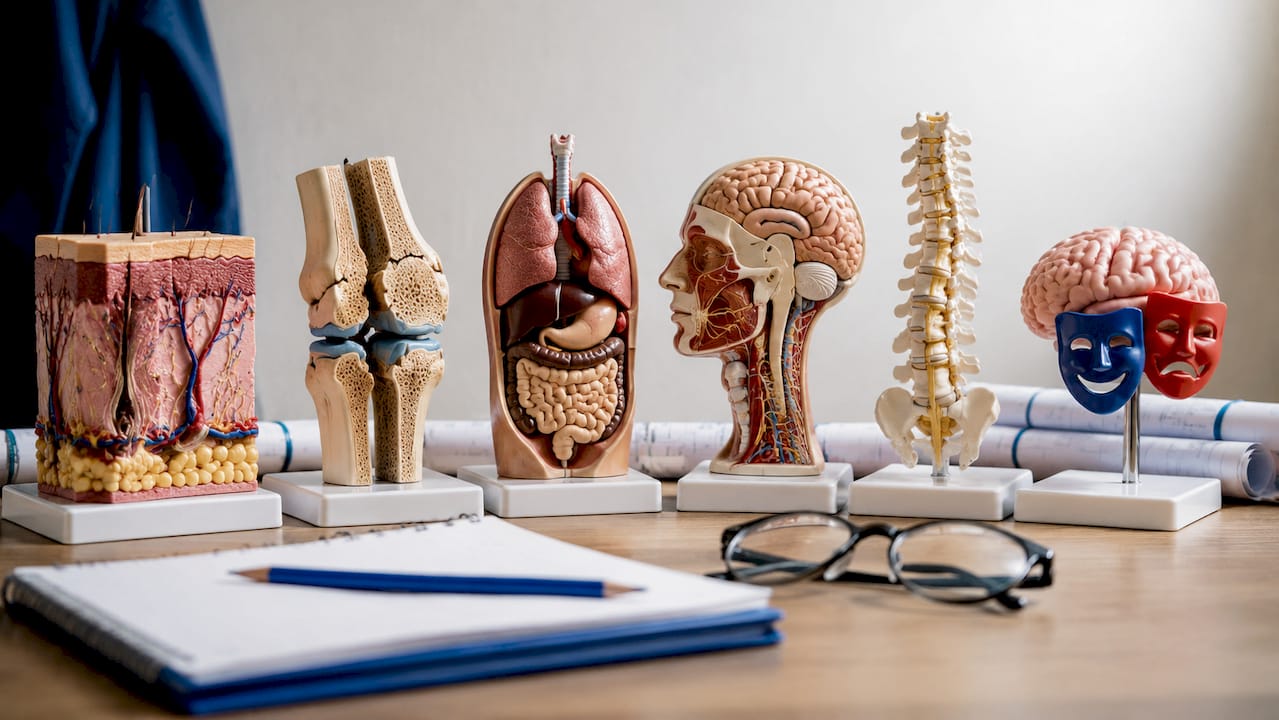
2. soft tissue injuries: the most common car crash injury
Soft tissue injuries affect muscles, ligaments, and tendons. They are the most common result of vehicle collisions, and whiplash is the defining example. Whiplash occurs in rear-end collisions at speeds as low as 15 mph, when the neck snaps forward and backward faster than the body can absorb. That threshold surprises most people because 15 mph feels like a parking lot speed.
Other soft tissue injuries include:
- Sprains (stretched or torn ligaments in the knee, ankle, or wrist)
- Strains (muscle or tendon tears in the back or neck)
- Contusions (deep bruising of muscle tissue from impact with a seatbelt or door)
- Bursitis (inflammation of fluid sacs around joints, often triggered by sudden impact)
The biggest challenge with soft tissue injuries is that they rarely show up on X-rays. Insurance companies frequently undervalue these claims without detailed symptom records spanning weeks or months. That gap between injury severity and visible proof is where many claims fall apart.
Pro Tip: Start a daily symptom journal the day of your accident. Record pain levels, sleep disruption, and any activity limitations. This log becomes critical evidence when your insurer disputes the severity of whiplash from car accidents or other soft tissue damage.
For a deeper breakdown of how these claims work legally, the soft tissue injury guide at WreckMatch covers the documentation process in detail.
3. fractures and broken bones from collisions
Broken bones are common in motor vehicle accidents and can cause permanent limitations in mobility and function. The most frequently fractured areas include:
- Ribs (from seatbelt force or steering wheel impact)
- Arms and wrists (from bracing against the dashboard during impact)
- Legs and ankles (from dashboard crush or foot well compression)
- Collarbones (from seatbelt restraint across the chest)
- Pelvic bones (from direct impact in high-speed collisions)
Treatment ranges from casting and immobilization for simple fractures to surgery and hardware implantation for compound or displaced breaks. Recovery timelines run from six weeks for a clean wrist fracture to over a year for a shattered pelvis. Long-term effects include nerve damage, chronic pain, and visible scarring at surgical sites. These outcomes directly affect the types of car accident compensation you can pursue, since permanent impairment increases the value of a personal injury claim significantly.
4. internal injuries: the silent danger
Internal injuries are defined as damage to organs inside the body cavity, including the spleen, liver, kidneys, and lungs. They are dangerous precisely because they produce few visible signs. Internal injuries can occur without any external symptoms, yet they can become life-threatening within hours if left untreated.
The spleen is the most commonly ruptured organ in car accidents. A ruptured spleen causes internal bleeding that can drop blood pressure to dangerous levels before you feel anything beyond mild abdominal discomfort. Liver lacerations and kidney contusions follow a similar pattern. Lung injuries, including pneumothorax (a collapsed lung from rib fracture), can develop gradually after the accident.
Pro Tip: Go to an emergency room after any significant collision, even if you feel fine. Tell the attending physician you were in a car accident and request imaging of your abdomen. Early detection of internal bleeding is the single most effective way to prevent a survivable injury from becoming fatal.
Early emergency care dramatically improves outcomes for internal injuries. Do not wait for pain to escalate before seeking evaluation.
5. head and brain injuries: serious car accident injuries with lasting effects
Traumatic brain injuries (TBIs) and concussions are among the most serious car accident injuries a person can sustain. A TBI occurs when the brain strikes the inside of the skull during rapid deceleration or impact with the steering wheel, window, or headrest. Concussions are the mildest form of TBI, but they still cause measurable cognitive disruption.
The long-term consequences of TBIs include:
- Memory loss and concentration problems that interfere with work performance
- Personality changes including increased aggression or emotional instability
- Chronic headaches and light sensitivity lasting months or years
- Paralysis or motor impairment in severe cases involving diffuse axonal injury
TBIs are a leading cause of death among accident victims, particularly in motorcycle collisions where helmet use is inconsistent. This is equally relevant to car occupants who strike their heads against the A-pillar or roof during a rollover. Types of motorcycle accident injuries follow a similar pattern to car injuries, but the severity is typically higher due to the lack of a protective frame.
"Future medical costs for brain and spinal injuries are difficult to calculate and require expert life-care plans to support claims." This is why working with an attorney who understands long-term injury valuation is not optional. It is necessary.
6. spinal cord injuries and back damage
Spinal cord injuries represent some of the most financially and physically devastating outcomes of car accidents. Spinal cord damage can cause paralysis and requires long-term care and rehabilitation that can cost millions of dollars over a lifetime. Back injuries range from muscle strains and herniated discs to complete spinal fractures.
A herniated disc occurs when the cushion between vertebrae ruptures and presses on nearby nerves. This produces shooting pain, numbness, or weakness in the arms or legs depending on the location. Lumbar herniation is the most common, affecting the lower back and radiating pain down the sciatic nerve. Cervical herniation affects the neck and can cause arm weakness or loss of grip strength.
Complete spinal cord injuries result in permanent loss of function below the injury site. Incomplete injuries may allow partial recovery with intensive rehabilitation through programs like those offered at Shepherd Center or Craig Hospital, both of which specialize in spinal cord rehabilitation. Future medical costs for these injuries require expert life-care plans to document accurately in a legal claim.
7. psychological and emotional injuries after a crash
Psychological injuries are a recognized category of car crash injury types, and they carry real legal weight. Post-traumatic stress disorder (PTSD), generalized anxiety, and depression are the three most common mental health outcomes after serious collisions. Psychological injuries such as PTSD and depression can impair work performance and social relationships, and they are recognized in personal injury claims when supported by psychiatric records.
Symptoms of accident-related PTSD include:
- Flashbacks or intrusive memories of the crash
- Avoidance of driving or riding in vehicles
- Hypervigilance and exaggerated startle responses
- Sleep disturbances including nightmares and insomnia
- Emotional numbness or detachment from family and friends
Pain and suffering damages require detailed medical narratives and psychological evaluations to substantiate claims. Insurance companies routinely challenge non-economic damages because there is no medical bill that directly quantifies emotional suffering. Psychiatric treatment records, therapist notes, and personal journals all serve as evidence. Psychological injuries must be treated as seriously as physical ones, both for your recovery and for the strength of your legal claim.
Key takeaways
Understanding the full range of car accident injuries, from soft tissue damage to psychological trauma, is the foundation for protecting both your health and your legal rights.
| Point | Details |
|---|---|
| Soft tissue injuries are underestimated | Whiplash and sprains often lack imaging evidence; daily symptom journals protect your claim. |
| Internal injuries require immediate care | Organ damage can be fatal without symptoms; always get emergency imaging after a collision. |
| Brain and spinal injuries carry lifetime costs | Expert life-care plans are required to accurately value long-term TBI and spinal claims. |
| Psychological injuries are legally compensable | PTSD and depression require psychiatric documentation to support pain and suffering damages. |
| Documentation determines compensation | Detailed medical and psychological records are the difference between a settled and disputed claim. |
What i've learned about injury documentation after years in this space
Most people who walk away from a crash thinking they are fine are not fine. They are in shock. The adrenaline response suppresses pain signals for hours, sometimes days. I have seen clients dismiss neck stiffness as "just sleeping wrong" only to discover a herniated disc three weeks later. By then, the gap in medical records had already given the insurance adjuster room to argue the injury was unrelated to the accident.
The injuries that get underestimated most often are soft tissue damage and internal injuries. Both are invisible on initial examination. Both can be severe. And both are exactly what insurers look for when they want to reduce a payout.
My strongest advice is this: treat every post-accident medical visit as a legal document, not just a health appointment. Ask your doctor to record every symptom you mention, even the ones that seem minor. Track your emotional state alongside your physical recovery. Courts and insurers respond to evidence, and your medical file is your evidence.
Brain and spinal injuries deserve a separate note. These are not cases where you negotiate with an adjuster on your own. The lifetime cost of a serious TBI or spinal cord injury runs into the millions, and calculating that number requires vocational experts, life-care planners, and medical specialists. Getting that valuation wrong means living with the financial shortfall for decades.
— Gerard
Get the legal help your injuries deserve
If you are dealing with any of the injuries described above, the types of auto injury claims you can file depend heavily on the evidence you gather and the legal support you have from the start. Carcollisionlawyer connects accident victims with experienced attorneys who specialize in exactly these situations, from whiplash and fractures to TBI and PTSD claims.
The free evaluation process at Carcollisionlawyer takes minutes and carries no commitment. You describe your injury and circumstances, and the platform matches you with a legal professional who handles that specific type of claim. Whether you suffered serious accident injuries in a car, truck, or motorcycle collision, the right attorney can make the difference between a lowball settlement and full compensation. Start your free evaluation today.
FAQ
What is the most common car accident injury?
Whiplash is the most common car accident injury, occurring in rear-end collisions at speeds as low as 15 mph. It affects the muscles and ligaments of the neck and often does not appear on standard X-rays.
Can you have internal injuries without knowing it?
Yes. Internal injuries to organs like the spleen, liver, and kidneys can develop with minimal or no external symptoms. Emergency imaging after any significant collision is the only reliable way to rule out internal bleeding.
Are psychological injuries covered in car accident claims?
Psychological injuries including PTSD, anxiety, and depression are recognized in personal injury claims. They require psychiatric records and detailed documentation to support pain and suffering damages.
How long does it take to recover from a spinal cord injury?
Recovery timelines for spinal cord injuries vary widely. Incomplete injuries may improve over months to years with intensive rehabilitation, while complete injuries often result in permanent disability requiring lifelong care.
What types of car accident compensation can i claim?
Types of car accident compensation include medical expenses, lost wages, property damage, pain and suffering, and future care costs. Brain and spinal injuries typically require expert life-care plans to calculate long-term compensation accurately.